Archives for category: Breast cancer

I love flowers. I love smelling them. I love looking at them. I love taking photos of them.

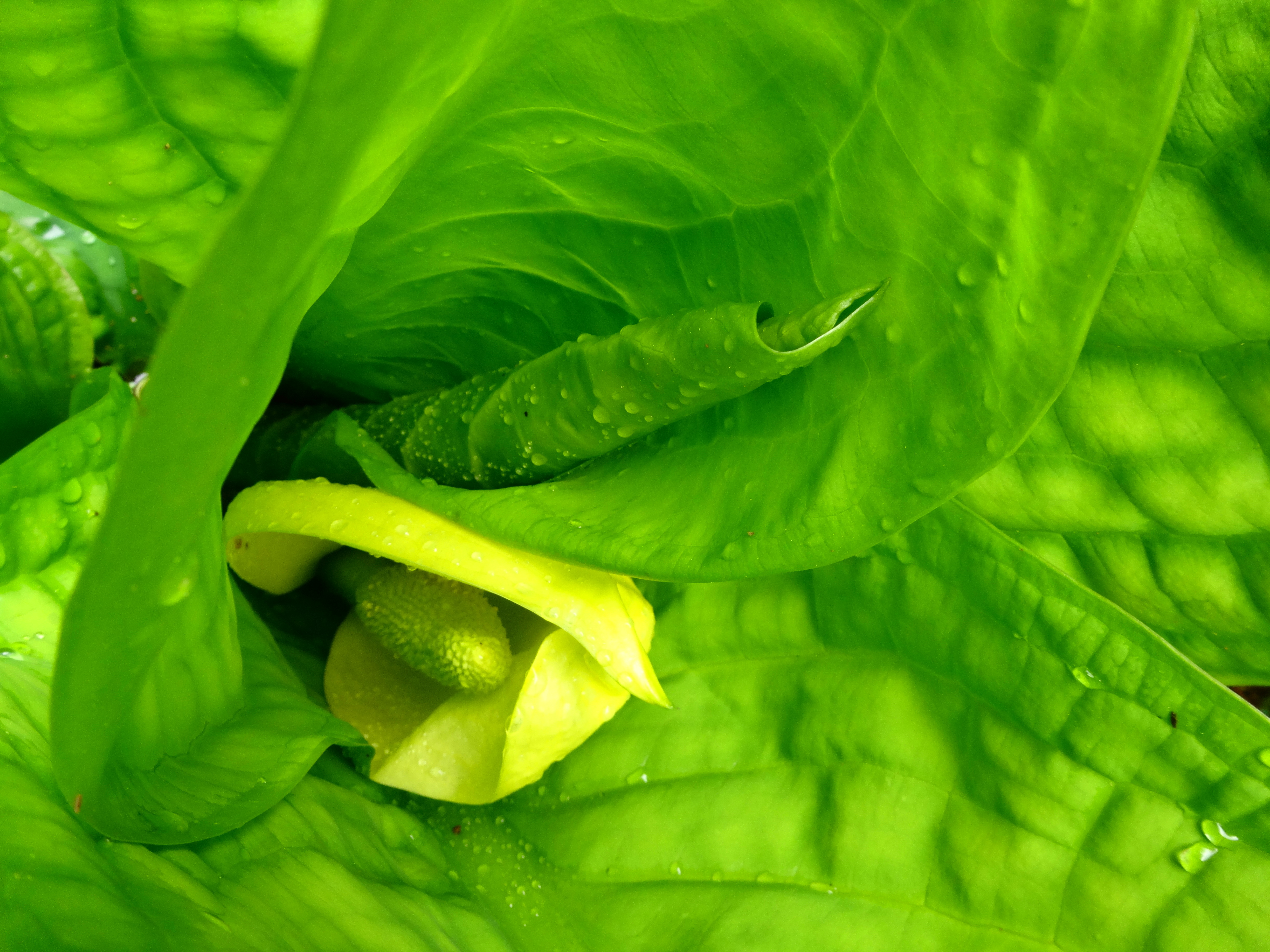
DSC04835

DSC05044

DSC01944

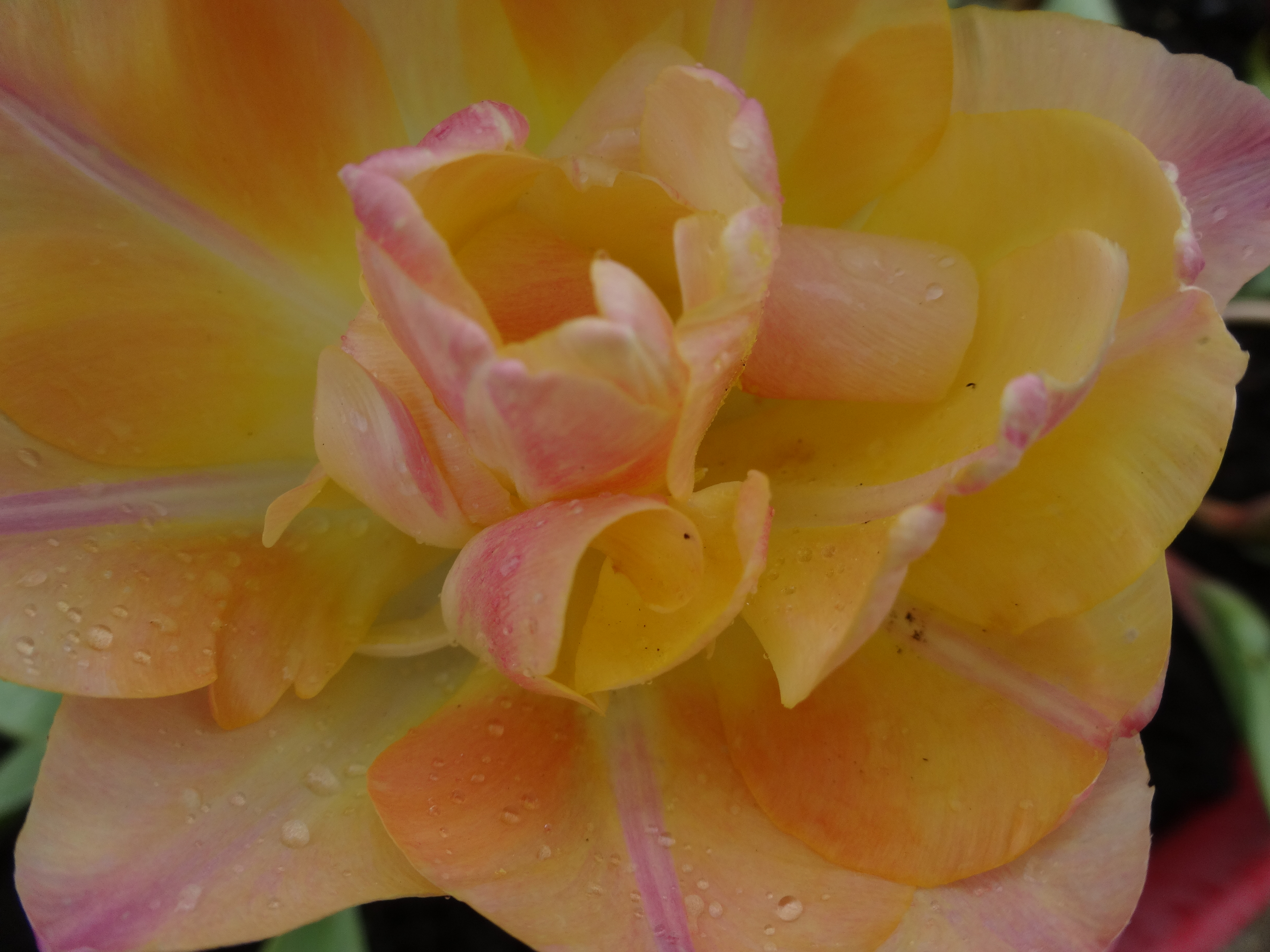
DSC02270

People occasionally make comments about my flower photos that are sexual in nature, though using big vocabulary words. Sometimes a flower is just a flower, People! As I mentioned previously, April is “Poetry Month” at Bloedel Reserve. There are poems written on signs throughout the reserve.Here is the last poem I want to share with you from my visit there.


And the day came when
the risk to remain tight
in a bud was more
painful than the risk
it took to blossom.
-Anais Nin


Well, I’m sure that to Anais Nin, a flower is just a flower.  Let’s think about Anais Nin and what she liked to write about. Hmm. Maybe not. Now I’m not saying that this poem is NOT about flowers or ONLY about sex. Let’s just say that I think that sex is a part of it.

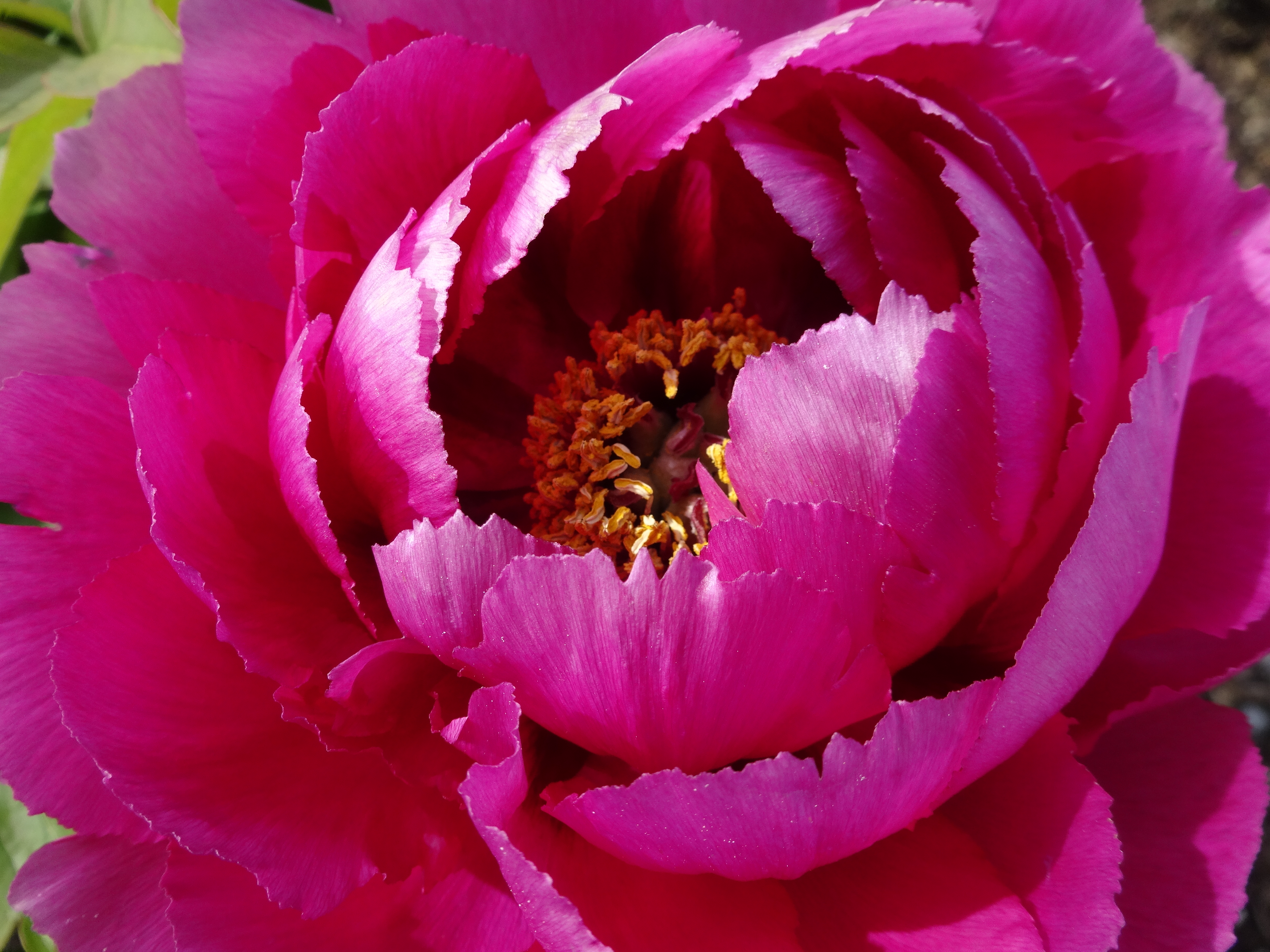
Sex is a part of flowers. Their sex parts are on full display. Stop snickering. Be adults. This is basic birds and bees stuff. Creation is beautiful. For flowers, it is okay for them to be out in the open about it, too. Flowers are simple beings who despite depending on a whole different kingdom of creation to reproduce, do not have baggage or require privacy.The other day, I came upon a pink dogwood tree. It was in magnificent bloom on the left side and had just a smattering of blooms on the right side. It was a beautiful tree but it definitely looked more alive on one side than on the other. I immediately thought, “My body is like that tree.”

Due to my right-side mastectomy and TRAM reconstruction, I have very little sensation on the right side of my torso. I would say that my right breast has no sensation but I did start feeling itch a year or so ago. Today, as I write this, I notice that I can feel pain if I pinch myself. This is new. My abdomen has been healing over the last two years since it was harvested for tissue to make a new breast and it is waking back up, gradually, from the outside in.

Although we may not always be cognizant of this fact, a flower is a sexual creature, as are all living things. A woman’s body is not just a body. Sensation matters. While I am happy with the choices that I made in the treatment of my breast cancer as well as the choices I made with reconstruction, the loss of sensation from a sexual health standpoint is not something that was raised by my surgeons. I raised it myself based on reading that I had done and my husband’s question to my breast surgeon about whether a bilateral mastectomy was indicated.

Women are not just women. We are sexual beings, even when we are done having children. We don’t want to shorten our lives we have but we also want to enjoy our loved ones as much as we can.

Yesterday was a gloriously sunny spring day. Actually, it was like a summer day. It was 77 degrees (25 degrees C). I was taking my daily walk in a different neighborhood than usual. A light breeze carried the scent of lilac, bearded iris, and wisteria. At times, I could see the mountains and the sea. At one point, I passed a man working in his yard. I greeted him, “Beautiful day.” He looked at me, smiled broadly, raised his palms toward the Heavens and exclaimed, “This. Is. Seattle.” I replied, “Yes, the city at its very best.”

It is gray today and considerably cooler. I am wearing long sleeves and walked from my car wearing my waterproof and hooded trench coat.

This. Is. Seattle.

The statement is as true today as it was yesterday. And yes, I am using the weather as a metaphor.

And yes, you are no doubt familiar with this metaphor.

My daughter is a very bright and sensitive teen. She is as cynical as Hell with liberal doses of wit. Just yesterday, she responded to friend of mine’s sincere compliment, “Aren’t teenagers GREAT!?!, ” with “No. All we do is complain about you guys ruining the economy and being close-minded.”

To her, the negative aspects of life are more real, at least from an intellectual standpoint. I was the same way at her age; it is part of growing up, realizing that the world is complex and largely uncontrollable. That part of reality sucks.

But it is part, not the whole. I come back to this metaphor time and time again as well as to just the thought that almost no situation is all good or all bad. A lot of my blog posts are about this very topic, staying positive, but realistic. Staying in balance.

I almost didn’t write this post because I thought that the theme was too much of a cliche. Then I realized that there are things that never get old like saying, “I love you” or giving someone appreciation, or even TALKING ABOUT THE WEATHER. Those are actions that tie us to our loved ones and to our communities as a whole.

I repeat these thoughts, the importance of seeing both the positive and negative, the good and the bad, the painful and the joyful, because they tie me to my own mental health. My life is not going to be about pink ribbons. But it’s also not going to be a black out of light. If there’s a flower to to look at, I am going to do my best to see it. If there a need for compassion, I will do my best to give it. If there’s a loss, I will do my best to grieve it.

This.

Is.

Life.

Geum.

Geum.

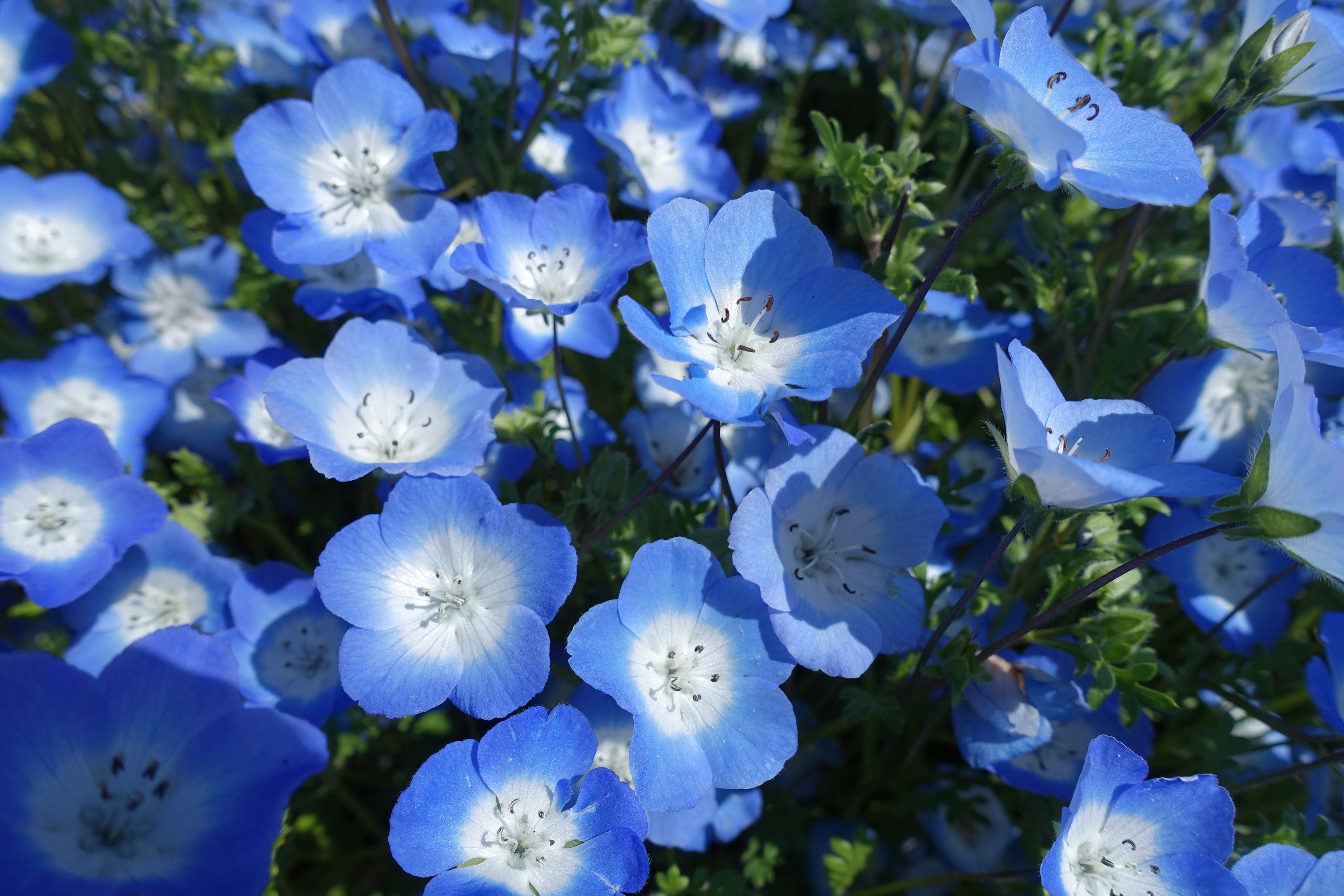
Nemophila.

Nemophila.

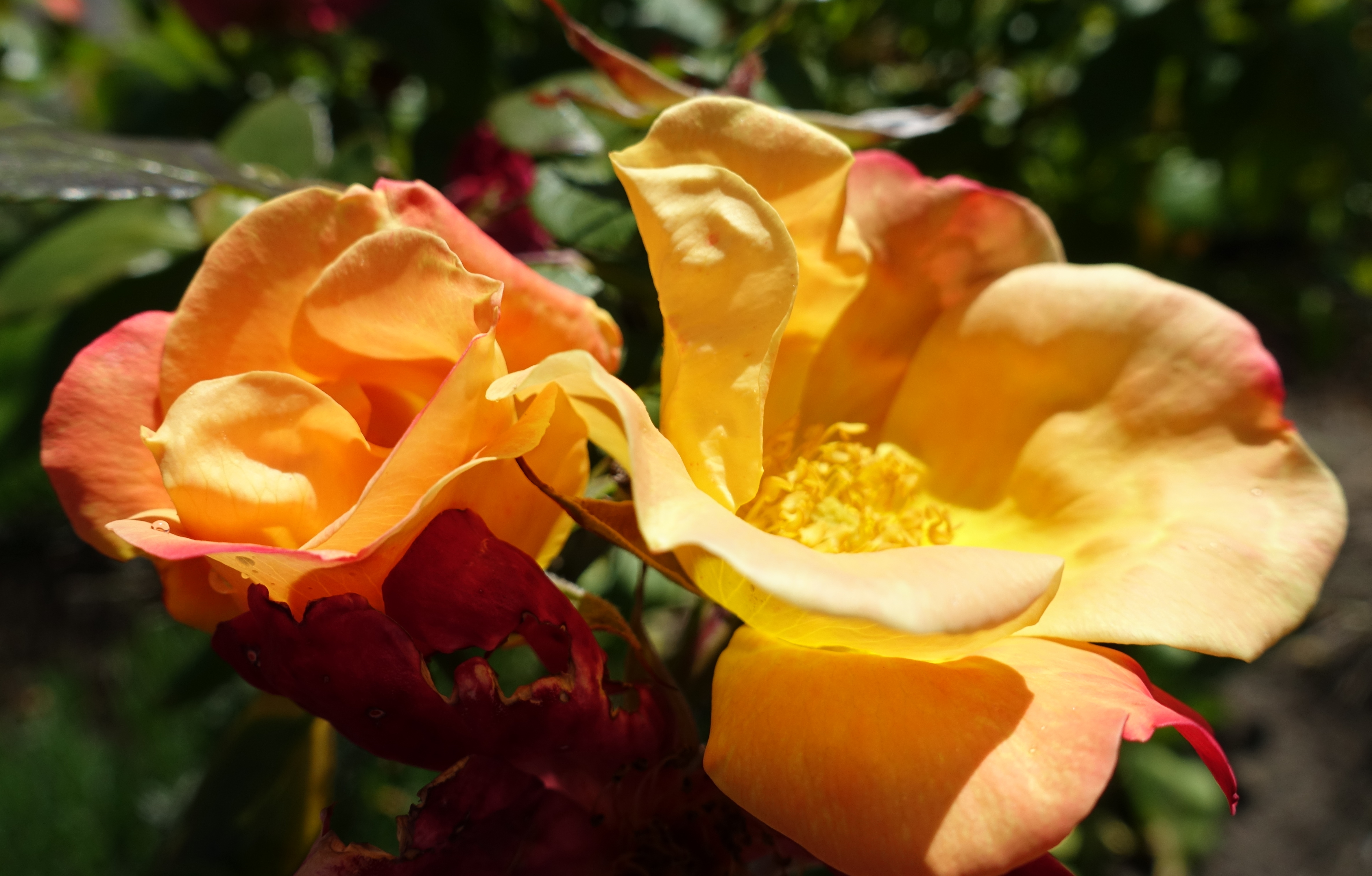
The roses will be at their peak in about a month.

The roses will be at their peak in about a month.

The bees have been back for awhile and the lavender has just begun to blossom.

The bees have been back for awhile and the lavender has just begun to blossom.

My husband and I moved around a lot during the first several years of our marriage. We were married in 1990 and it was not until 2001 that we bought our first home in Seattle, which is the home in which we still live. This is one of the most expensive cities in the U.S. and we don’t live an ostentatious life style. Consequently, our house is not fancy or stylish. But we love our 1950’s house and have worked to inject it with our own personal style, which is colorful and eclectic.

When we moved into the house, there were flower beds in the back. I spent the first year in the house weeding and seeing what kind of plants there were. There was a grassy front yard, bordered by two huge juniper shrubs. Juniper shrubs were commonly part of the landscaping for homes built in the 1950’s and 1960’s. I imagine that they were cute back then. They get rather prickly and enormous over time. Also, they are really ugly, so ugly that the house had what my brother, a realtor, called, “No curb appeal.”  After we’d been in the house for about three years, John removed the shrubs and built a rock wall. The shrubs were weighed at the city dump for the composting program; a half ton of shrub. 1000 pounds of juniper, people!

I planted a rock garden. A year or two later, John removed the front lawn. I covered it in layers of newspaper and cardboard followed by four inches of beautiful black compost that I had delivered to my house, which I carried around the yard by the wheelbarrow full. I didn’t plant anything in the yard for a year to make sure that all of the grass and weed seeds under the paper barrier would not get exposed to light. The following years, I started a long project of putting in flowers, summer vegetables, shrubs, garden art, soaker hoses hooked to an automatic watering timer, and slate walkways.

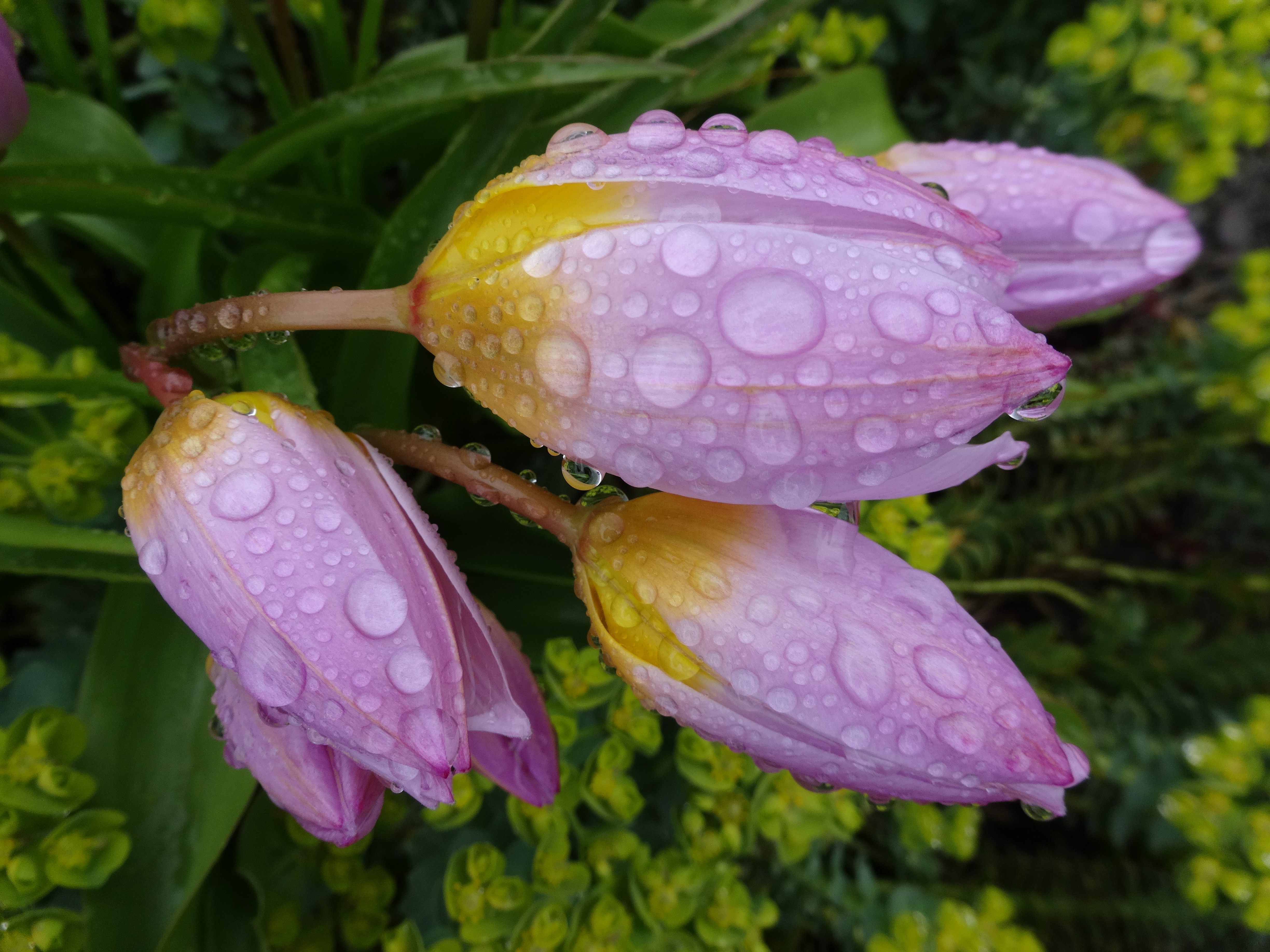
After the front yard was “done”, I started work on the planting strip, the piece of grass between the sidewalk and the street. This land is owned by the city but the home owner is responsible for upkeep. The city encourages people to make the strip into a garden. We had already planted two trees there, which were given to us by the city as part of their Street Trees program. I got out my garden edger and started the long process of removing sod from the strip. I did it in pieces, removing a small square and filling it with compost and new soil. I planted beans there the first summer. After a year, it was all removed and planted. Right now, it is full of blooming tulips, which I have planted in wet fall weather, my garden gloves filling with cold muddy water.

Until my cancer diagnosis, I spent a great deal of time in my yard, weeding, pruning, and planting. Then I stopped working in my yard, for the most part. I had repeated surgeries that made it hard for my to use my arms and abdomen. I started exercising regularly, which meant less time for gardening and also another way to fulfill my need to spend time outdoors. I had trouble with fatigue. I had friends that came to help. Later, I decided to get rid of the little strip of grass on the left side of the house to open up more planting area. I got about half done with that project and lost steam. It is still unfinished, a year and a half later.

But after years of working out there several times a week during the summer and frequently during the rest of the year, I found out what happens when a yard doesn’t get such regular attention. It’s not pretty. It gets weedy and full of brown stuff. Some plants get out of control and propagate wildly. The rose bushes did not get pruned. One of them got as large as a Volkswagen. It was really overwhelming. I often found myself thinking, “My yard used to be so beautiful. It was so much easier to maintain. Now it is a mess.”

Last spring, I actually hired a landscape service to weed, prune, and mulch the front yard, which is where most of the flowers are. I couldn’t afford for them to work on my back yard, too. I figured that after they did the heavy work, I would be inspired to get back into the yard because it would not be so overwhelming. The landscapers did a great job and I didn’t end up doing anything out there.

This year, I found my yard overgrown once again and myself, once again, thinking, “My yard used to be so pretty. People used to take photos of the flowers in my yard. Sometimes cars would slow down to look at my yard.” I called the landscapers out again. It was not quite as big of a job this year and it made an enormous difference. And this year, unlike last year, I did gather some momentum. I weeded my raised vegetable containers, my husband turned over the soil, and I added compost, fertilizer, and new soil. I transplanted flowers to other containers because they were getting in the way of the vegetables. I replaced broken soaker hoses for the front yard as well as for the vegetable containers. I removed three years of old bean stalks and tomato plants from my two story metal growing cages.

Today, I went back to the yard. I planted lettuce and bok choi seeds in my vegetable containers. They are fast growing and should be finished by the time for planting summer vegetables, beans and tomatoes. I cleared the hair allium that had started out as about eight bulbs and spread into several hundred plants. Waaaaay too much allium. Clearing that out took a couple of hours, working around tree roots and plants I wanted to save. The number of little allium bulbs under the soil was unbelievable. (Hair allium is cool looking and it used to be a moderately expensive plant. My guess is that they are now being giving away at Home Depot check stands. They are worse than bluebells for “naturalizing”, a.k.a. taking over like a hostile alien race from another planet.) After I dug that out, I had to use a couple of bags of soil to replace what I’d removed. When I finished, my yard looked so nice, nicer than it has looked in years.

I came across a random photo of my front yard from my pre-cancer days. It shocked me. My yard looked terrible! Now the fact that I’d taken a photo tells me that it was probably a “before” photo taken for spring clean up. The yard always looks bad for part of the year. My surprise at the photo got me wondering how much I had exaggerated the state of my garden in comparison to the years prior to cancer. “My yard was so beautiful before cancer.”
In truth, it was better maintained in the past and that does make an aesthetic difference. But I think nostalgia and loss has nudged my memory to increase the contrast, closer to, “Before cancer everything was wonderful.”

Truly, there are a lot of losses than come with cancer, and they are losses to grieve and honor. But sometimes I think I may be too quick to interpret “before and after” in a negative way, when I am feeling discouraged, worried, or overwhelmed. I think this is natural for people to do, to think about significant aspects of life from the past with fewer shades of gray. I learned last year with my 30th high school reunion that perhaps my recollection of high school being terrible in certain respects, was not accurate. I suspect that friends who look back at high school with very strong positive feelings and memories, may be forgetting some of the bad aspects. And then of course, there is the whole lamentation of culture and young people, “Kids today…” “Society is going to Hell in a hand basket.” It can be easy to idealize the distant past. It is not clouded with immediacy of the present or the unknown of the future.

I don’t really know how much better or worse my yard is. After all, living things grow and die, regardless of whether we work the soil or not. Things change all around us.

What I do know for sure is that today I dug in the dirt and I had a marvelous time.

DSC04702


My garden

My roses in 2012. They will start blooming again soon.

My roses in 2012. They will start blooming again soon.

Several months ago, my husband and I were in Fauntleroy Park, which is the closest woods near our house. As we walked down the path, he joked, “Oh scary! Someone could jump out of the bushes at us!” The comment hit me in all of the wrong ways, though this had nothing to do with him. I said to him, only half jokingly,”You’ve ruined my sanctuary!”

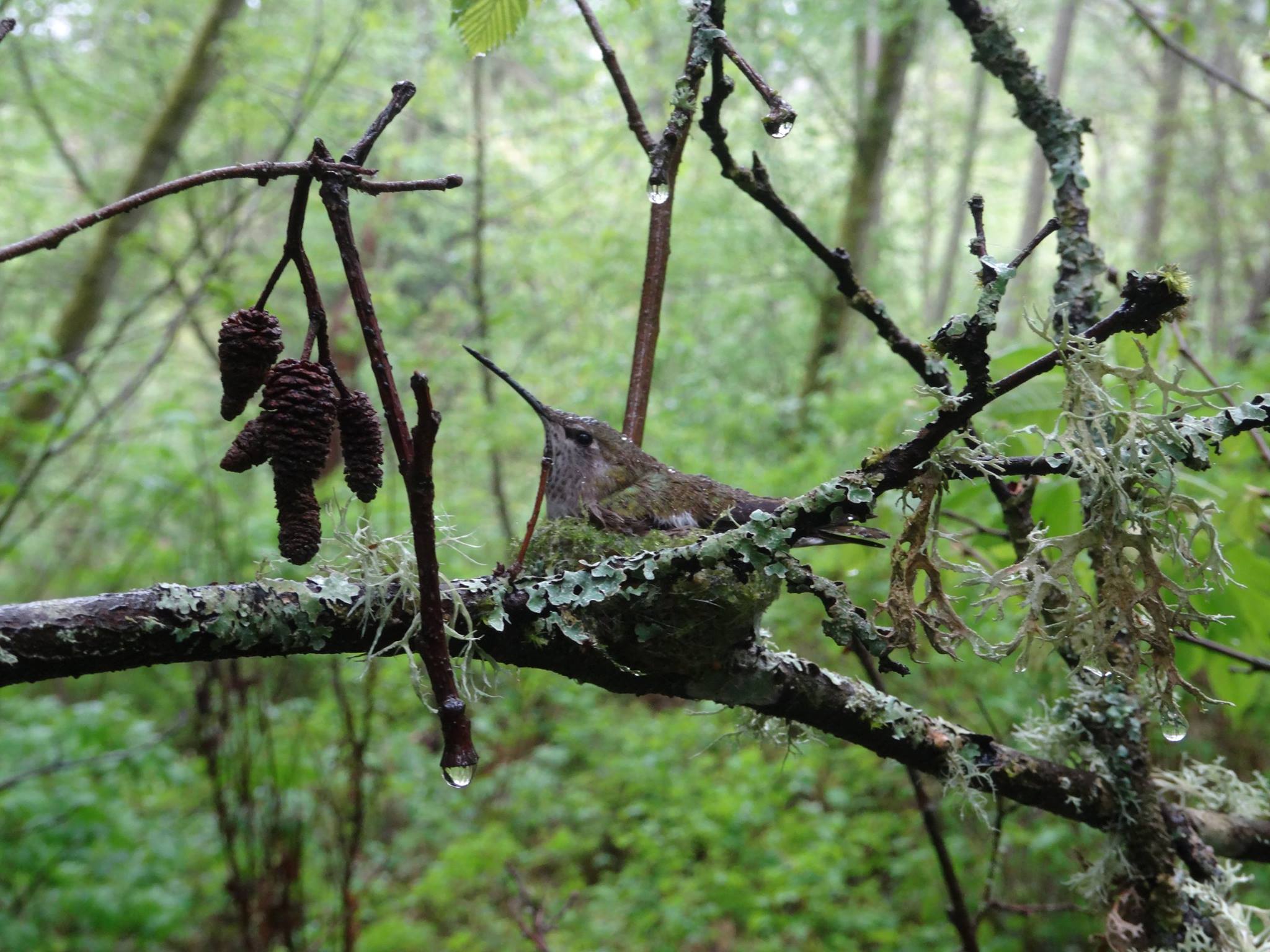
I have done a lot of grieving and healing in those particular woods. I have felt my heart rate lower and my spirits lift as I walk into the entrance. I have listened to the creeks, the birds, and the sounds of the rain and wind. I found a hummingbird nest in those woods and waited for the egg to hatch into a chick, whom I discovered had not made it, when I visited the woods last Mother’s Day. As I am often the only one in the park, those woods were a safe place to sit by the trees and the running water, and have a good cry. I have felt the reassuring softness of feathery mosses, watched the emergence of new growth from the forest floor, and sampled berries from bushes that connected me to my childhood, learning about native edibles from my mother, while walking in the woods that surrounded the home in which my parents still live. I have had experiences in those woods, seeing new growth, old growth, and decay, and felt connected to the worlds of living, dying, and dead at a deep spiritual level.

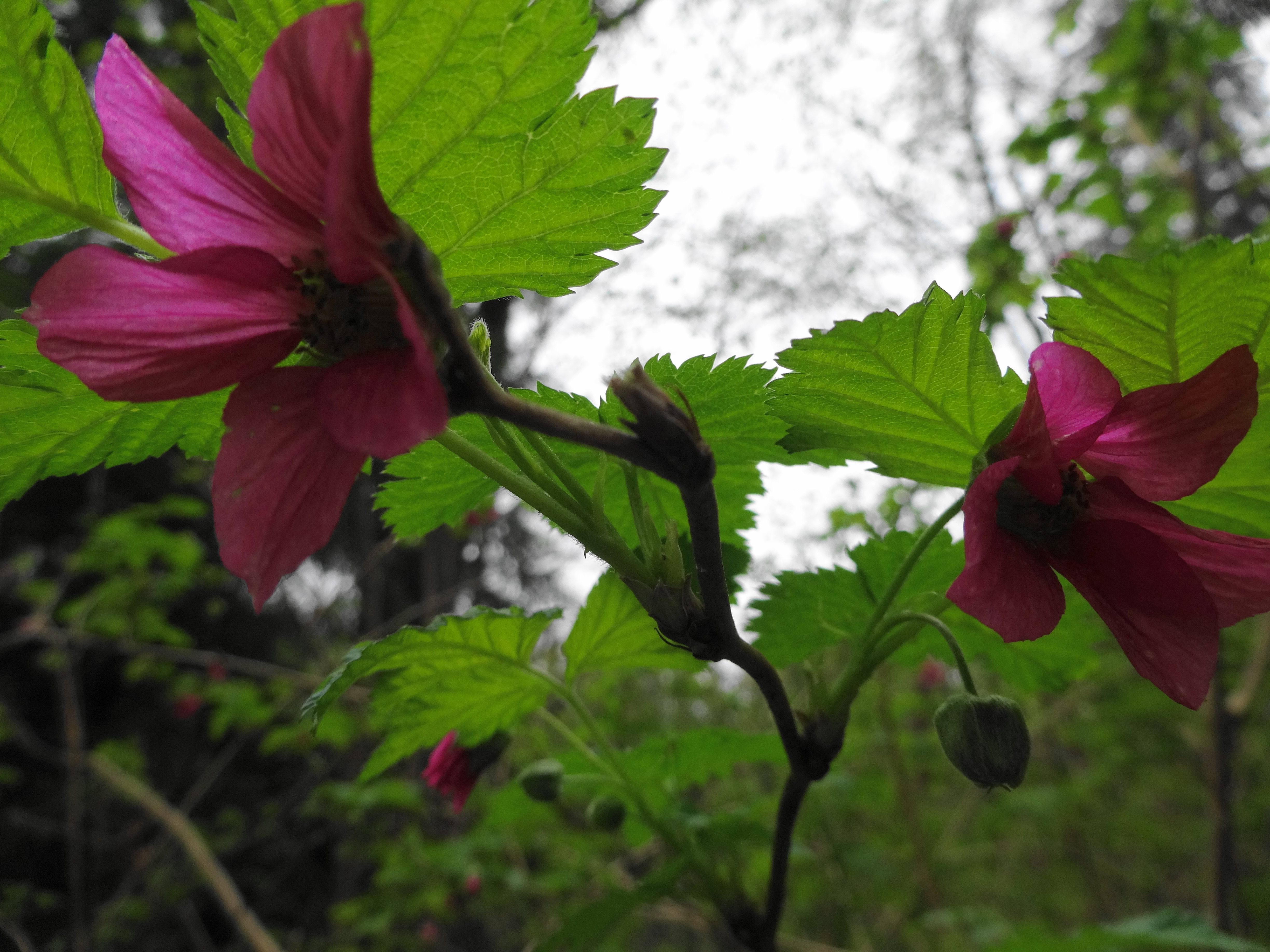
I had avoided going to those woods since the loss of the hummingbird chick and my husband’s ill timed remark. I would never have predicted that I would react that way but it did. Today, as I was ambling through my neighborhood on my daily walk, I decided to get back into the woods. I was greeted with the sound of running water, birds that sounded like they were auditioning for a part in The Jungle Book, the smell of skunk cabbage, and the deep pink of salmon berry blossoms. I saw two hummingbirds. I visited the spot where the hummingbird nest had been last year. It was gone, either blown off by the wind or removed by a hiker.

This week’s stressful mammogram generated another thread of fear, sadness, and gratitude to weave into my life. I am glad to be back in the woods.

DSC04674


273

10271383_10203505974960413_6338930511465061000_o

20140312_101044

My husband and I host Thanksgiving every year and although not at Martha Stewart’s standard, I like to make the dinner tables pretty. Sometimes, John sets the table with our day to day plates and I say, “No, use the good plates.” The “good” plates consists of the full set of Franciscan dinnerware that my mother-in-law generously gave to me years ago. They match. There’s a gravy boat. There are enough for our extended family crew of 16-24 people, depending on the year. Matching, rarely used plates for fancy occasions.

Today I had a mammogram. I scheduled it many months ago. I remember telling my oncologist’s scheduler that I needed a diagnostic mammogram. She called over to the breast imaging center and told me that I didn’t need a diagnostic mammogram. I was due for a screening mammogram. I said, politely with a tinge of anxiety, “But I’ve had breast cancer.” She talked to the imaging center again and verified that a screening mammogram was what my oncologist had ordered.

I walked into the imaging center. It is in a building that adjoins my cancer institute, where I typically have my appointments. The cancer institute also does mammography. This time, I was sent to the building that is part of the same medical center but not part of the cancer center. Even though I’ve been there before, I was disoriented, even in the parking garage. I don’t have the best sense of direction on a good day but when I am nervous AND underground, it is much worse. The parking garage was packed and although I thought I was following the signs, I knew that I was anxious and distracted when I saw the sign, “Alligator” to show me that it was floor A, for the third time. I was driving in circles. I snapped out of it and worked my way down to “Camel” where I got a parking spot, wrote directions to finding my car after my appointment was finished, and went on my way.

As I walked into the waiting room, I had a sense of unreality bordering on derealization, a dissociative state experienced by individuals with PTSD. The waiting room felt unfamiliar but I knew I’d been there. Then I say myself there, in my mind’s eye. This is where I had the diagnostic mammogram, the ultrasound, and the core biopsy that would establish my breast cancer diagnosis and refer me to the cancer center, nearly three years ago. “Hello, trauma cue!” Once I recognized the cue for what it was, I could at least stop wondering and start coping.

The funny thing about this is that one reason I felt uncomfortable and scared was because I had been “demoted” to a screening mammogram and to add insult to injury, had to leave the safe and familiar nest of the cancer center, to do so. Mammography involves compression of the breast tissue between plates. I’ve had all kinds of mammography, screening, diagnostic, and PEM the latter being the fanciest and as it was in Phase II trials back in 2012, was not covered by insurance costing $2000 out of pocket. PEM took three hours following a 24 hour no-sugar diet and radioactive dye injection. Oh, and did I mention that each picture takes 7 minutes, all 7 of which the plates are compressed? Oh yeah, I just remembered that the PEM tech is seated right across from your eyeballs.  But I digress.

I found myself in the waiting room thinking, “I want the good plates. I want the diagnostic mammogram.” Yes, I know, the difference between mammogram machines is not the plates. But do you blame me for thinking about the plates? (Ladies who do mammograms understand.) When I checked in, the receptionist asked, “Who do you want us to send the report to?” I provided her with the names of my physicians. Then I anxiously asked, “But I am getting a verbal report from the diagnostic radiologist during my visit today, right?” She verified that I was. Deep breaths, Elizabeth.

I changed into a gown and waited for the mammography technician. She soon greeted me and led me to the exam room. She was a very small woman, under 5 feet. As she was positioning the plates, I noted that she was about the exact right height for the job. She would not have to bend over at all to get a view of breast level for most women. I thought to myself, “Why do I notice things like this?”

She was skilled and efficient. I was lead back to the waiting room near the changing room. I waited. I was distracted for awhile talking to other women, waiting for their results. I answered some email. A woman called my name, a different woman than the mammography technician. I didn’t like this. She led me into an ultrasound room and asked me to partially disrobe, lie down, and wait for the diagnostic radiologist, Dr. Bang. She said, “He will give you the results and discharge you.”

“Uh-oh, there’s something suspicious on the mammogram.” Dr. Bang soon came into the room and introduced himself. He was a young Asian American physician with a nice smile and a professional demeanor. One of the first things he said was, “I see a 2mm mass in your left breast. It is probably a non-malignant cyst.”

My thought, “Yay, he’s being straight with me. He told me what was going on as soon as he could without being cold and abrupt. Hmm, but he also told me that he thought it was likely just a cyst. I hope he’s not one of those physicians who is afraid to tell the bad news. I hope this does not affect his judgment.”

He was very thorough, I must say. I looked at the images from the mammography. Besides thoughts to myself like, “recurrence”, I busied myself by noting how much less dense my breast tissue looked in the images than they had in 2012. As many of you know, having particularly dense breasts makes most of the imaging techniques difficult to interpret because water (the source of density) shows up as white, which is also the color that tumors look on the images. Density is reduced with age, as breasts take on more fatty tissue. I could see this change in myself, likely accelerated by my cancer treatment induced menopause through Lupron and over two years of taking Tamoxifen, which I will likely continue to take for nearly a decade.

I am a geek and a healthcare provider. I am very happy for this when I am getting a stressful medical examination. I can distract myself with wonder and fascination. I also joke with healthcare providers. This lot were pleasant but business like. Joking would not be a comfortable option. So I continued to practice paced breathing to keep myself calmer and to geek out on medical technology and to reflect on the the marvel that is the human body, post-mastectomy and all.

Dr. Bang was having trouble finding the 2mm mass on the ultrasound. I asked him if it was located in the part of my breast tissue that is still very dense. He said that it wasn’t and was in fact very close to the surface. Then I thought, “Oh, if the cancer is near the surface of my breast, maybe I can get a small lumpectomy. That won’t be so bad.”

I was also thinking about what the next step would be. Biopsy? Then I remembered that I had gotten a screening mammogram and that the next step is usually a diagnostic mammogram. However, in this case, I was given an ultrasound. Hmm. A memory flooded back to me. Cancer treatment is like giving birth. They tell you what is going to happen like they are invariable steps. But it’s not. There are rules of thumb that I can understand but the course of assessment and treatment can change. I’m not complaining. If I were cookie dough, the medical team could use cookie cutters to do their job.

Another part of my brain was planning who and how to inform people that I would need follow up assessment. Before, I was pretty sure that I didn’t have cancer. After all, only 20% of biopsies are malignant. Mammography has a notoriously high false positive rate. That is one reason that it is so widely criticized. Actually, the prime reason is that we keep getting the message in our culture that it is far more accurate than it really is.

After what seemed to be 500 years, Dr. Bang told me that the cyst had been present on my last mammogram but it seemed to have grown since then. “I don’t think it’s cancer.” He told me that he wanted to “watch it” and that meant having another mammogram in six months. In the past, I would have been hesitant to ask my “worry questions” but I asked away. “Will this be a diagnostic mammogram?” (“Yes”.). “Will it be a 3D mammogram?” (“Yes”.)

There is no cure for breast cancer. I have had a status of “No Evidence of Disease” since my mastectomy on 8/8/12, which was proceeded by two failed lumpectomies performed by a marvelous and kind surgeon. Three of my four invasive tumors could only be revealed after surgery. None of the imaging technologies, MRI, ultrasound, and three types of mammography that were used, found them.

I was diagnosed nearly three years ago. I have thought about cancer every single day since I was informed of the diagnosis. That is over 1000 days. I don’t want “the good plates”.  I wanted the black and white plates. I want the plates of definite “I don’t have cancer” answers.

Cancer has provided me with a daily lesson that bad things, really bad things can happen. And I have learned to live a happy and satisfying life in the last three years despite all that my family has been through, a significant amount that has nothing to do with my cancer. Something that a pathologist looks for in examining an excised tumor and the surrounding tissue is for “clear margins”. A clear margin is the amount of healthy tissue that surrounds the tumor. Larger margins are better than small ones and if they are too small, as was the case with my first two surgeries, more surgery is recommended.

The “clear margin” is not magical or 100% accurate but it is meaningful. It is more than a good sign. There is always the possibility of disaster or hurt at the center of our hearts. I try very hard to live in the present and at present my margins are clear.

When I practice mindfulness, I encounter a paradox of experiencing a greater connectedness with thoughts, feelings, and sensations but also having some kind of buffer. I don’t really know how to describe it exactly. It’s not exactly a distance but it kind of is. No doubt there are individuals far more practiced in mindfulness who have written about this much more precisely and eloquently. I know that the word, “equanimity” is often used to describe this state, a mental composure that wards against imbalance of the mind.

Yesterday morning I was walking and noticing. I do most of my mindfulness practices while I walk. I also do a great deal of contemplation about my life. I was thinking about how much more fun I am having with my family these days and the level of harmony we’ve been experiencing. The sun was out and I could feel it on my skin. The flowers and trees in the neighborhood were beautiful. I felt a great deal of joy. In these times of mindfulness I find that I encounter unexpected thoughts and feelings. The balance that I feel makes this possible, I think.

Yesterday, I felt hopeful, a feeling that is familiar to me. But yesterday it was followed other thoughts and feelings. Hope involves taking mental chances. Hope leaves the door open for good outcomes after a long time of fearing the worst and experiencing very hard times.

Hope can be frightening.

During one of my recent mind adventures, my memory took me back to the old 1960’s television show, The Flying Nun. It starred Sally Field as Sister Bertrille and took place at a convent on Puerto Rico. Due to her small size, the frequent winds, and her cornette (a particular style of nun hat), she could fly, hence the title of the show. After my mind took me to this show, my fingers took me to Wikipedia.

Sister Bertrille could be relied upon to solve any problem that came her way by her ability to catch a passing breeze and fly.

That sentence gave me a good chuckle and I thought, “How could the show’s writers sustain this premise?”

Plot 1: The convent eagerly awaits a visit from the Bishop. After an albatross makes off with the his miter, Sister Bertrille hitches a ride on a gust and saves the day by retrieving it.

Plot 2: Fire breaks out in the convent campanile. After accidentally breaking the tallest ladder in town, Sister Bertrille uses her flying power to reach the fire and put out the blaze.

Plot 3: A little girl’s kitten is stuck in a tree! The fire ladder is still broken. Sister Bertrille flies to the top and saves the day!

Plot 4: Run away kite!

See, not sustainable. Nonetheless, the series lasted two seasons. How did they do it? Also, how did her cornette stay on?

A fictional life needs substance to sustain itself. It can’t be utterly ridiculous.

A real life needs so much more.

Once upon a time, my blog was often humorous. Once upon a time, my blog was mostly about cancer. My blog has changed and my needs have evolved. My husband asked me yesterday, “Do you still think about cancer every day?” I told him, “yes” and I have thought about it every day since May 25th 2012. I mean this literally. Every day.

But thinking about cancer and being actively treated for cancer are different. I think back to what I needed to do during my active treatment and I can’t believe it. The extra work I had to cram into my schedule in order to take time off for surgeries, the number of surgeries, the telling people or not telling people about my health. The changing landscape of my body. The changing energy levels. The changing brain. The major unknowns about even the near future. One of the ways I dealt with the stress and fear with laughing at the ridiculousness of it. That is a coping strategy that is useful to me, it sustains me.

I think about sustainability and capacity a great deal. I want to be a healthy person. It is too easy for an active person such as myself to work too hard and to get my life out of balance.

But sometimes we just have to work really hard. Cancer treatment is one of those times. One of the hardest thing about this time as well as during other unpredictable and serious stressors in my life is that I don’t know how long I will have to work super hard in crisis mode. In the past, I used to tell myself that I would slow down once the stressor passed, for example, once I finished my Ph.D., once I got my career settled, once my daughter was older, once we bought a house, etc.

Those stressors never stop. Life is hard and complicated. Fortunately, I appear to be in good physical health and my mental health is strong. I have a safe place to live, a loving family, lots of friends, and a wonderful job. But it is easy to get caught up in moving too fast, worrying too much, and creating needless suffering for myself even in a life that in most respects is an embarrassment of riches.

As I’ve mentioned recently, right now I am focusing on having more fun with my husband. We do something, just the two of us, at least a couple of times a week. We went on a trip. We went to grown up prom. I have also started having more fun with my daughter. I think that the fact that I am more relaxed has had some positive impact on her among other things. Just last weekend she told me, ‘Mom, have you noticed that I am out of my “I hate my mom” teen phase?’ I have learned to accept these lavish gifts with understatement. “Hmm, I guess yes, I’ve noticed. Why do you think that is?” She replied, “I don’t know. I guess I just got older.”

I take these beautiful moments for what they are, moments. And they seem to be threading together into increased maturity. But her growth is not linear; it has peaks and valleys and plateaus. All of our lives are like this, even the most stable of us because there are so many aspects of life that are out of our control.

My family life is still full of unknowns. My husband and I still deal with major stressors and challenges both within our immediate family and in our extended family. We are part of what is called “the sandwich generation“. Sometimes I feel like we are the PB&J left on the bottom of a backpack for a week that ended up getting run over by the school bus.

Nonetheless, we are making time for fun. We have trips or fun visits planned for every month from May and September. My passport is being renewed as we speak. We will see two coasts, mountains, and two states. We’ll travel by planes, trains, and automobiles. We’ll be surrounded by friends, by cities, and by nature. And yes, friends, there will be photos, lots of them.

I am discovering that  I need to make time for peace and enjoyment. One of the least sustainable premises in real life is waiting for life to get easier.

DSC04400

His name was Kurt. We went to high school together. He was a year ahead of me. I think it was my junior year. We took creative writing together one semester. I remember his appearance. He had very fair skin and very light blonde curly hair. I am pretty sure that he wore glasses. I also think he sat kitty corner across the classroom from me (we sat at tables in a “U” formation instead of in rows of desks). I remember his being nice but not really knowing or noticing much about his personality. As I recall, he was fairly quiet. He was one of the boys at school who was into muscle cars and he had some kind of old but “cool” car like a Ford Mustang, or something.

One day, as I was walking in the hallway from one class to another, he stopped me. I don’t recall ever having had a one to one conversation with him previously, but then again, I could have forgotten many. I am and was pretty friendly and talked to many people. Kurt looked assumed a very relaxed stance and with apparent nonchalance, asked me to his senior prom.

You may already know that I never attended a formal dance at school: No prom, no homecoming, and no winter ball. I did not attend any university formal dances; those were mostly for sorority girls. I was not in a sorority and honestly, at that time, would have avoided attending any event like that.

So, if I was asked to prom and didn’t go, I must have told Kurt, “no”, right?

Strictly speaking, that’s the truth. But the part that still embarrasses me and makes me feel guilty is that I told him, “yes” when he asked me and then changed my mind and cancelled on him the next day. I was afraid. I didn’t really know him. He wasn’t one of the boys who I was wanting to ask me out, either. And he drove a hot rod! I was afraid that he would be one of those boys who would pressure me for sex on prom night or try to get me drunk!   I backed out in as nice of a way as possible. I later got to know him a little better and he probably would have been a good date. I could have been able to attend a major high school “coming of age” social event and NOT hurt a boy’s feelings. Oh yeah, I may have even had a good time.

About four weeks ago I was reading my neighborhood’s community blog. I saw that a “Second Chance Prom” was to be held as a charity benefit, at the golf course down the street from me. The tickets were very reasonably priced and it looked like a small, low key affair. So I bought two tickets and made an additional donation to the charity. Then I told John that he was taking me and as I had hoped, he readily and enthusiastically accepted.

I spent more time choosing clothing and accessories for my Second Chance Prom than I did for my wedding. I got my hair and make up done professionally. For my own wedding, I cut my own hair, styled it, and did my own make up using drug store cosmetics. But this is grown up prom! I wanted to get the best out of it and enjoy the process leading up to the event as much as I could. I trusted that I would not go crazy. After all, I will always be a discount shopper.

I tried on a lot of dresses. The one I ultimately chose was not my favorite based on photos. But it fit almost perfectly, required no uncomfortable foundation garments, was comfortable, and fit the James Bond theme of the prom. Also, it had an open back, which I knew John would like, and I looked about as good as I could.

Yesterday started as “glam day”. After my walk, I spent about 45 minutes online looking at photos to inspire hair and make-up ideas. If I were going to look like a Bond Girl, I wanted to go retro. I started getting a few ideas from photos of actresses from James Bond films from the late 60’s and early 70’s. Then I just started thinking about actresses from that time period and I thought, “What about Ann-Margaret?” Ding, ding, ding! I found an old photo of her with glam hair and make-up well suited to the time period as well as my hair.

My husband did not want to see my dress so I wore a coat over it, though he could see the bottom of it since it was a full length gown. He had still not picked out his outfit. Most of his button-down shirts are Hawaiian shirts. Knowing how overheated he gets, I even told him that I didn’t mind if he wanted to wear one. My only request was, “Please, no sneakers.”

He drove me to the salon with the plan that he would pick me up later and take me to dinner. This would be his way of picking me up for prom. I thought that was really sweet. I have gone to this salon for many years, so people know me there. They loved the idea of my going to prom and were excited to see John pick me up. I was seeing a different stylist for my make up and hair, Candace, who was recommended by my regular hair stylist, Megan.

I showed Candace the photo. She immediately understood what I wanted. Megan also came over during one of her breaks and said, “Good choice!” Candace was funny and sweet. I had arrived with a clean face and clean, frizzy hair. She styled my hair first and then did my make up. At one point, she said, “You are looking really glamorous, Dude. You clean up well.” When she was finished, I could tell that she was proud of her work. She said, “Let me parade you around the salon.” I followed her to the other side of the salon, where Megan was working. She also approved.

I was very pleased. Candace took a couple of photos of me for her portfolio and sweetly gave me a hug before she left to work with her next client. My husband arrived and responded in a positive but slightly stunned way. Then we got our photo taken together. John then kept asking me to pose for photos. And by “pose” I mean he instructed me on how to pose, a good thing because I have one pose and that is it. I think he said, “Wow” about five times. We had a great dinner.

We knew no one at the dance. But we were both ready to have a good prom. We danced when we wanted to even if we were the only couple on the dance floor. John sat down when he needed to. (It was hot and his back is still bothering him.) I danced even if he wasn’t dancing.

I danced even when I was the only one on the dance floor. I just enjoyed myself. I enjoyed the experience of dancing, which is something I love to do. I’m sure that I raised a few eyebrows. When I “get into the zone” with dancing, there is a certain level of abandon that people typically associate with um, intoxication. If this had been high school, there would have been mean gossip. As I keep saying, age has its benefits. After about 1 1/2 hours of dancing, I took off my shoes and went barefoot because I could tell that my feet were going to hurt, if I didn’t. After another 1 1/2 hours, we called it quits. My hip was hurting and John was drenched with sweat.

I missed my first chance at prom because I was afraid. I could have missed my second chance by being self-conscious about my body, my age, or being the only person on the dance floor. But I didn’t miss it and I had the time of my life with the man I love.

DSC04025

Hubby opted not to wear a Hawaiian shirt and his one blue dress shirt perfectly coordinated with my dress. And for those of you who have had breast construction, the little dent under my right underarm would probably be described as a “deficit” from a reconstructive surgery standpoint. Does it bother you? It didn’t bother me, either! And if the appearance of symmetry is important to you, the neckline of this dress is helpful in that regard.


The best kind of smile comes from laughing in delight at your husband's insistence on taking a million photos of you.

The best kind of smile comes from laughing in delight at your husband’s insistence on taking a million photos of you.


Dinner at "the most romantic table" at Salty's, which has a splendid view of Elliot Bay and the downtown skyline.

Dinner at “the most romantic table” at Salty’s, which has a splendid view of Elliot Bay and the downtown skyline.


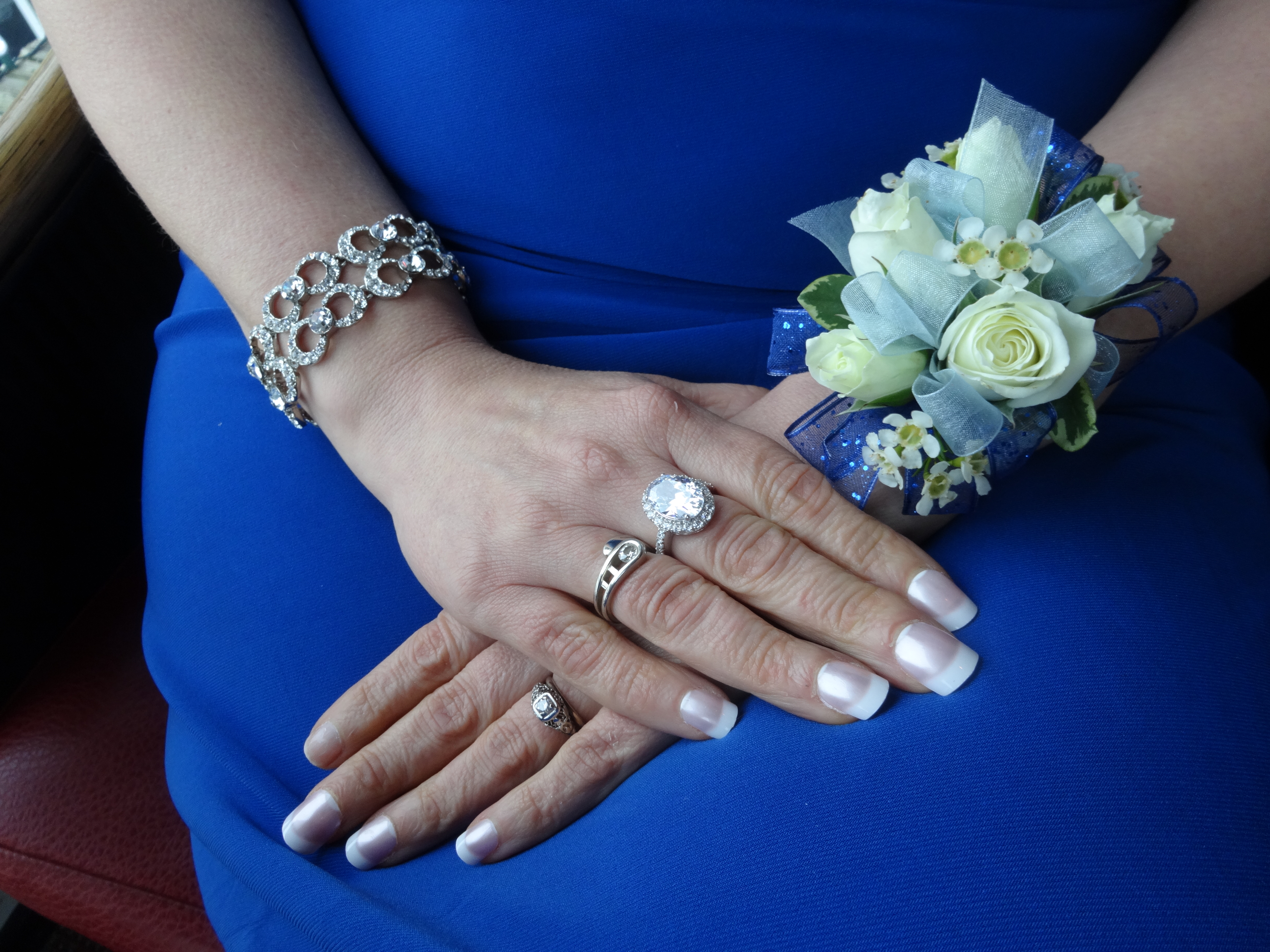
Corsage and prom bling on display.

Corsage and prom bling on display.


Lisa Bonchek Adams died over the weekend, at age 45. This is a repost of the letter I wrote to the Guardian, following the publication of an online article about whether it is appropriate or ethical for people with stage IV cancer to use social media to communicate about their illness. Lisa was called out as an example in this article.

I was not a personal friend of Lisa’s but I am very thankful to her for her advocacy. I am very sad about her death and I hope for healthy healing for her friends and family. It will likely be a very long process of grief, especially for her three young children. My hope is that her advocacy and the meaning that it added to her life, will also provide a positive touchstone for them.

My letter, dated 1/12/14,  follows.

Dear Editor,

I am writing in response to Emma Keller’s article, which was published by you on 1/8/2014. The author used Lisa Bonchek Adams, who uses social media to communicate about her life with stage IV breast cancer, as an example of a possible unethical use of social media. I am angry about the journalist’s position as well as how the article stimulated a number of negative comments toward someone who needs no more negativity in her life. I have many objections to this piece and I will delineate a few of them here.

First, I believe in freedom of speech. I also believe in personal and professional responsibility. With all of the corruption and violence in the world, why target a mother of three with stage IV breast cancer, just for using social media to communicate about her experience with a horrible disease? This tact makes no sense at all to me.

I object to the characterization of Ms. Adams’ communication as “TMI”. Journalists cover natural disasters all of the time. They cover earthquakes, famine, hurricanes, and more.  The photos and the written stories describe the devastation that people suffer. They describe the resilience and the heroism. Although not everyone is comfortable with the sadness of these stories, the stories are sympathetic and not considered TMI. Cancer is a kind of natural disaster. It is a disease that ravages and impacts countless numbers of people. Is it TMI because Ms. Adams is reporting on herself instead of being interviewed and photographed by “proper” journalists? If a hurricane survivor decided to get support and communicate about his/her experiences in dealing with a natural disaster, would we call this TMI? Would we as fellow human beings make so many negative comments about this person? I think not.

As a psychologist, I understand that distancing ourselves from an illness that can strike anyone, especially a young mother of three children, is a way we deal with the realities we don’t want to consider. They are too close. We can’t think about potential personal disaster every second of every day and function as healthy people. But it is also true that we can’t constantly deny the possibility of disaster and be healthy people. We have to incorporate potential malady into our lives. Understanding and accepting that bad things happen to good people is a building block of compassion. Without it, we let our own fear lead to unfairly assigning negative qualities to people, who are ill through no fault of their own, and doing their very best to manage under truly difficult circumstances.

As a breast cancer survivor, I understand how cancer has changed my life and my relationship with the outside world. I don’t know why I got breast cancer. I am a responsible person, a loving wife and mother, and a professional dedicated to improving the lives of children. I don’t know that I will have a recurrence. I am doing my best to live a healthy life but there is no guarantee that cancer, some other disease, violence, or an accident will end my life. I could say that it’s not fair that I got breast cancer and have had to endure its treatment, which even in this day and age, is brutal. Breast cancer, like a hurricane, is not fair. It is a natural disaster. People afflicted deserve compassion. We live with cancer and its threats in one way or another, every day.

I am also an active blogger about my own breast cancer experience. In doing so, I have enriched my life immeasurably in having made connections with wonderful people such as Ms. Adams. Having cancer is very isolating. It creates a juxtaposition of grief with a deep appreciation of the gift of life, which many people don’t understand. And there are aspects of breast cancer that make it particularly isolating. The breast cancer social media community is a very powerful network of women and men. I have drawn strength through the true friendships that I have made as well as the support of an amazing group of people, who live all over the world.

We will all die. Most of us do not know precisely when or how this will occur. People with stage IV cancer know that they are likely relatively near the end of their lives and that further they are likely to die from cancer. So many people with terminal disease spend their last years in isolation, even if when they are still able to work and carry out many daily responsibilities. Many of them don’t even “look sick” until much later in their disease progression. But their lives can be lonely and arduous. Social media can serve as a way for people to connect with others who understand. I have friends with stage IV breast cancer. I don’t know how much longer they will live or how much longer I will live. But I know that I will stay with them even through the cybersphere until our dying days. I so appreciate learning how to be a better friend to someone who is losing abilities while respecting their humanity and resilience. It is scary to know that I will likely lose more friends than I would have as a function of being part of the breast cancer community. But it is worse to think of us not having each other; there is real joy, love, and shared grief over the Internet. I consider it an honor to be trusted as a friend and to be relied upon to be there during the darkest times.

There are a lot of problems with our electronic age. Many products aimed at children, in particular, are harmful. There is nothing “virtual” about the breast cancer community. It is very real. Lisa Bonchek Adams is a real woman with real connections. This community is one of the very best and real things about our virtual age.

Thank you for your kind attention to my concerns.

Sincerely,

Elizabeth P. MacKenzie, Ph.D.

Back when I was a researcher, I used to travel to conferences to make presentations. One of them was the meeting for the National Association for the Education of Young Children (NAEYC), which was held in Anaheim, CA. Yes, the largest conference devoted to the education of young children was held at Disney Land. The conference attendees were offered a special rate to go to the park. It was less than half the price and since it was for admission, after hours, there were no long lines for the rides.

Since this was a professional conference, I was attending with other people from the not-for-profit for which I worked. One of the people from work did not like me. She was the director of one of the other departments in the organization but since my position involved work in her department, she was one of my direct supervisors. And when I mean that she didn’t like me, I mean that she pretty much actively disliked me. She also did not like my work. As you could imagine, it was awkward hanging out with a group of people, one of whom had a lot of power over my job not to mention constantly emitting, “I don’t like you” vibes.

As I have mentioned previously, I do not like to go on scary amusement park rides. The group I was with wanted to go on the “Indiana Jones and the Temple of Doom” ride. Ordinarily, I would have just said, “No way!” But my boss was there and I knew how much she believed in employee togetherness. I asked an employee how scary the ride was and she told me that it wasn’t. So I agreed to go on the ride.

The ride began and within about five seconds I realized that it was way too scary for me. I closed my eyes and started doing deep breathing. Soon, I felt calm. I was aware of the way the air felt on my skin as the ride accelerated in speed. I noticed smells of liquid vapors and of machine part lubricants. I could also hear the gasps and yells of the people who were experiencing the ride. I noticed sounds of surprise, fear, and exhileration. These are all strong emotions. I felt no strong emotions but I noticed and observed.

As a child and adolescent psychologist, I often work with children and families when they are in distress, experiencing strong emotions, mostly painful ones. It would not be helpful for me to join in with the distress. “Oh no! That’s terrible! What are you going to do?” I need to be present and engaged but not swept away. I need to avoid adding drama. I am there to carefully observe, interpret, and to provide assistance.

It is a complex process. Clinicians who do not demonstrate enough empathy and emotional connection are described as cold. Clinicians who demonstrate too much emotion are described as having poor boundaries. And the definition of what is too little or too much varies person to person. To be the right amount of present, calm, and connected is incredibly therapeutic to someone who is in distress. To be too little or too much is not only counter-therapeutic, it is also not healthy for the clinician.

I started formally practicing mindfulness nearly three years ago as a way of dealing with my breast cancer diagnosis as well as to live a healthier life. It occurs to me that many years before this time, I was already practicing it in session, with my patients. This helps me be effective and also minimizes the amount of stress I take home with me. It has been trickier to apply mindfulness to the rest of my life. But I have been doing it and I plan to continue. It has greatly enriched my life and helped me cope with the scary hurts and heartache much better. I still experience all emotions, at all levels. I experience pain. I am having more and more moments of acceptance and less and less suffering.

I have noticed some shifts in my personal relationships. Some of the shifts have been uncomfortable. I initially found myself getting annoyed at how upset people got at what I considered to be minor annoyances or future catastrophic outcomes of low probability. And it’s not all complaints or expressed fears. It’s the ones tinged with helplessness or hopelessness that really get to me. Anger turned to worry and worry turned to sadness, over time. I realize that some people in my life are on a much different ride. We are no longer experiencing the same ride. Although this is helpful as a therapist, it is harder with relationships that are more intimate and more expecting of reciprocity.

At this moment, I feel a bit sad about it. But I also know that my feelings have changed about this and will likely continue to change. I do know that I have selected the right ride for me and will try to live the healthiest way I can since that is best for me and my family.

Lindbergh High School Reunion '82, '83, '84, '85

Join us this summer for our reunion in Renton, WA!

George Lakoff

George Lakoff has retired as Distinguished Professor of Cognitive Science and Linguistics at the University of California at Berkeley. His newest book "The Neural Mind" is now available.

KomenWatch

Keeping our eyes and ears open.....

4 Times and Counting

Confessions Of A 4 Time Breast Cancer Survivor

Nancy's Point

A blog about breast cancer, loss, and survivorship

After 20 Years

Exploring progress in cancer research from the patient perspective

My Eyes Are Up Here

My life is not just about my chest, despite rumblings to the contrary.

Dglassme's Blog

Wouldn't Wish This On My Worst Enemy

SeasonedSistah

Today is Better Than Yesterday

The Pink Underbelly

A day in the life of a sassy Texas girl dealing with breast cancer and its messy aftermath

The Asymmetry of Matter

Qui vivra verra.

Fab 4th and 5th Grade

Teaching readers, writers, and thinkers

Journeying Beyond Breast Cancer

making sense of the breast cancer experience together

Entering a World of Pink

a male breast cancer blog

Luminous Blue

a mother's and daughter's journey with transformation, cancer, death and love

Fierce is the New Pink

Run to the Bear!

The Sarcastic Boob

Determined to Manage Breast Cancer with the Same Level of Sarcasm with which I Manage Everything Else

FEC-THis

Life after a tango with death & its best friend cancer