I remember reading Virginia Woolf’s, A Room of One’s Own, an assigned reading for a course I was taking at the University of Washington. I know it is a classic feminist text. I know that she was part of the Bloomsbury Group, a collection of intellectuals active in the early 20th century. I know that she wore pants at times. I know that she was played by Nicole Kidman in the excellent film adaptation of the book, The Hours, and that she died by suicide.

But frankly, when I read A Room of One’s Own, I missed a lot. I remember her paragraphs being reaaaaaaally long. I would find that I had decoded the words on two or three pages only to realize that I’d comprehended very little and was lost in this book long essay. I’d flip back through the book, begin reading again, and write notes in the margin, a critical thing for me to do when my mind wanders in reading.

But I did get her main message. She wrote about the importance of having time and space to write, something that most women not only did not have but were discouraged from having. A room of one’s own. A room to think and write and be. I also got that “a room of one’s own” has a figurative as well as literal meaning. We need a separate space and time for individuality. We need an identity apart from our relationships with others. As women, we need a relationship with ourselves that is apart from wife or mother. There may be ‘no “I” in team’ but there is an ‘I’ in “being” and all of us, male or female are beings.

As you know, I recently moved my private practice. One of the differences is that the current space has three offices instead of the previous two. That means all three of us, Jennie, Julie, and myself have an office to ourselves.

I have also mentioned that the rent for the new office space is nearly three times what the old office space was. Granted, the old office space was really inexpensive. But this is an increase that is easily noticed, especially since I hold the lease and it it the full rent that is automatically drawn from my bank account every month.

There is also the fact that although I work five days per week, I only see patients on three days per week. In the past, I have only had access to my office space for those three days. Now I have access every day of the week, whether I see patients or not.

There is an allure to subletting my office to another psychologist. This would reduce my monthly rent. At this point, however, I am strongly opposed to this. I have been reminded again and again during the last few years about how little control I have over my own life. I made what I thought was a beautiful workspace for my past office and I didn’t mind sharing it. But we lost it due to our lease not being renewed. I have now created another workspace and it, in my eyes, is lively but restful. And I want it to myself. I want to be able to go there any time I want to do report writing, pick up the mail, or just know I could go there anytime. I want to be able to get there in the morning and know that the room is exactly as I left it the night before. This is not because I am a control freak. It is just nice to know that this very thing is possible. It is also nice to know that if my life goes sideways again that I will have the flexibility to schedule patients on different days of the week. I will not be boxed into three days.

Yes, it is expensive but it is worth it at this point of time. I want my own time and my own space.

My money or my mind.

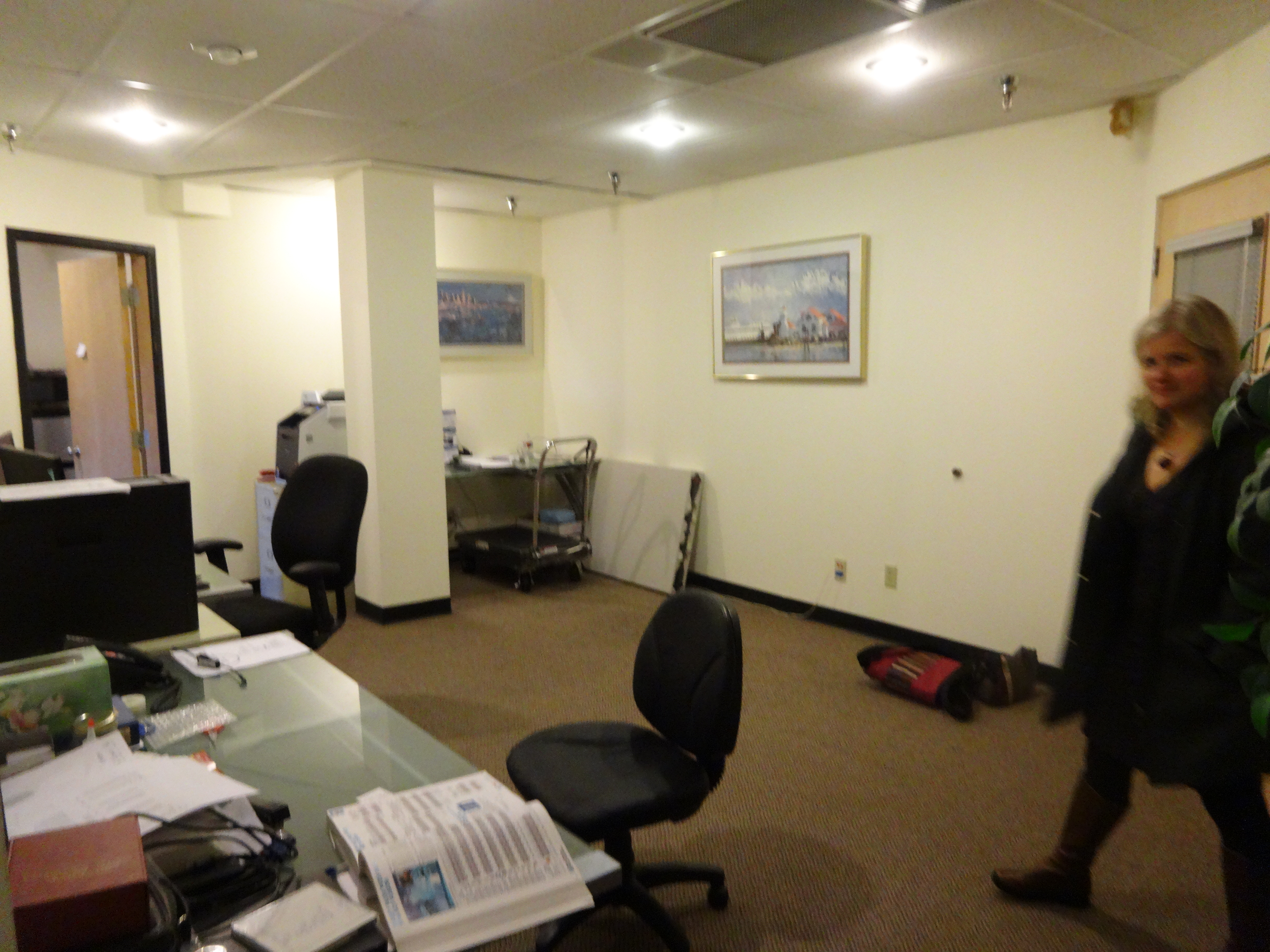
Before: The waiting room. This is how the waiting room looked the month before we started painting.

Before: The waiting room. This is how the waiting room looked the month before we started painting. The woman in the photo is my friend, Jennie.

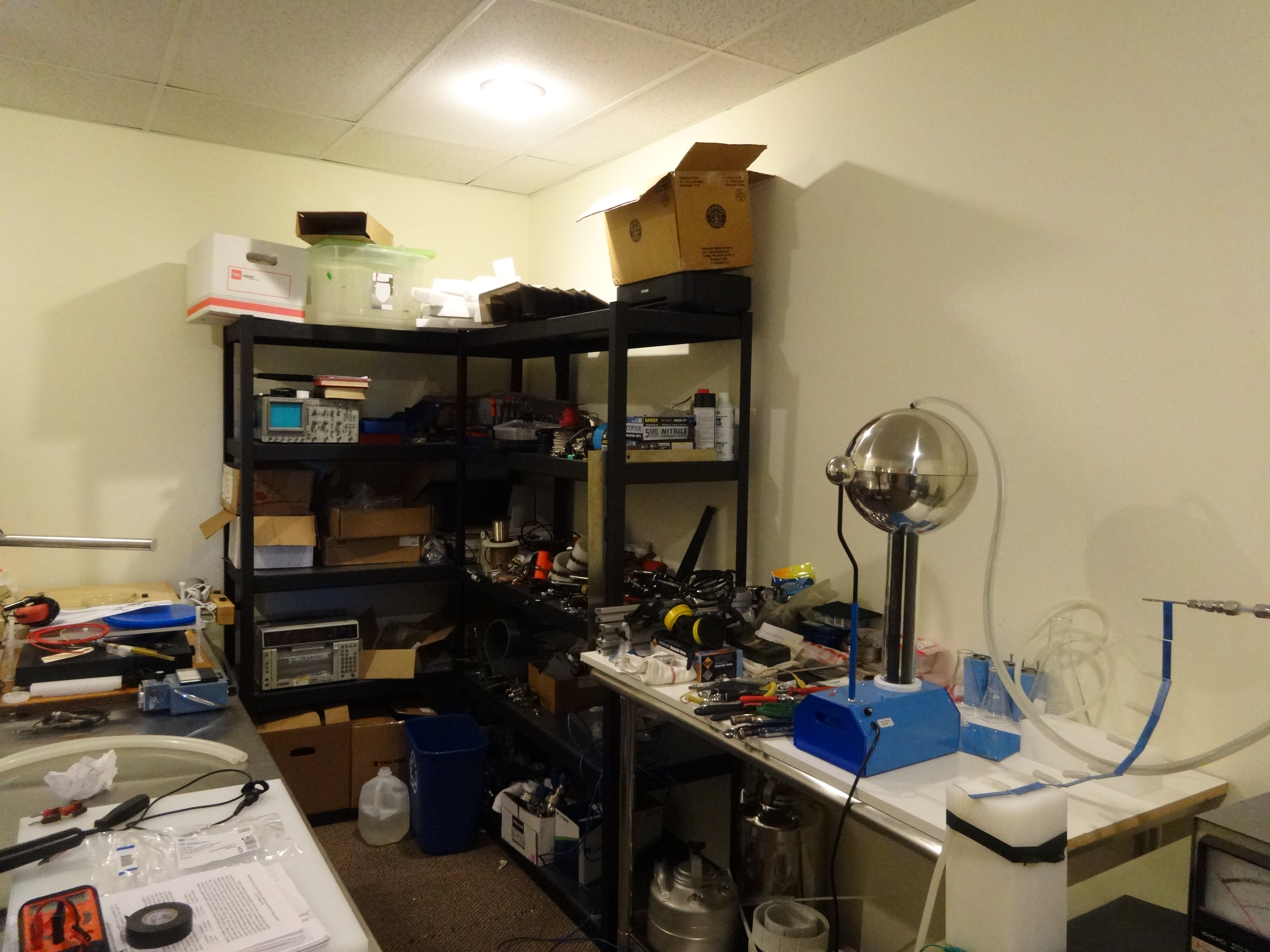
Before: My office when it was used as a lab. This is the first glimpse I got of the space before we signed the lease.

Before: My office when it was used as a lab. This is the first glimpse I got of the space before we signed the lease.

DSC03198

After: The waiting room.

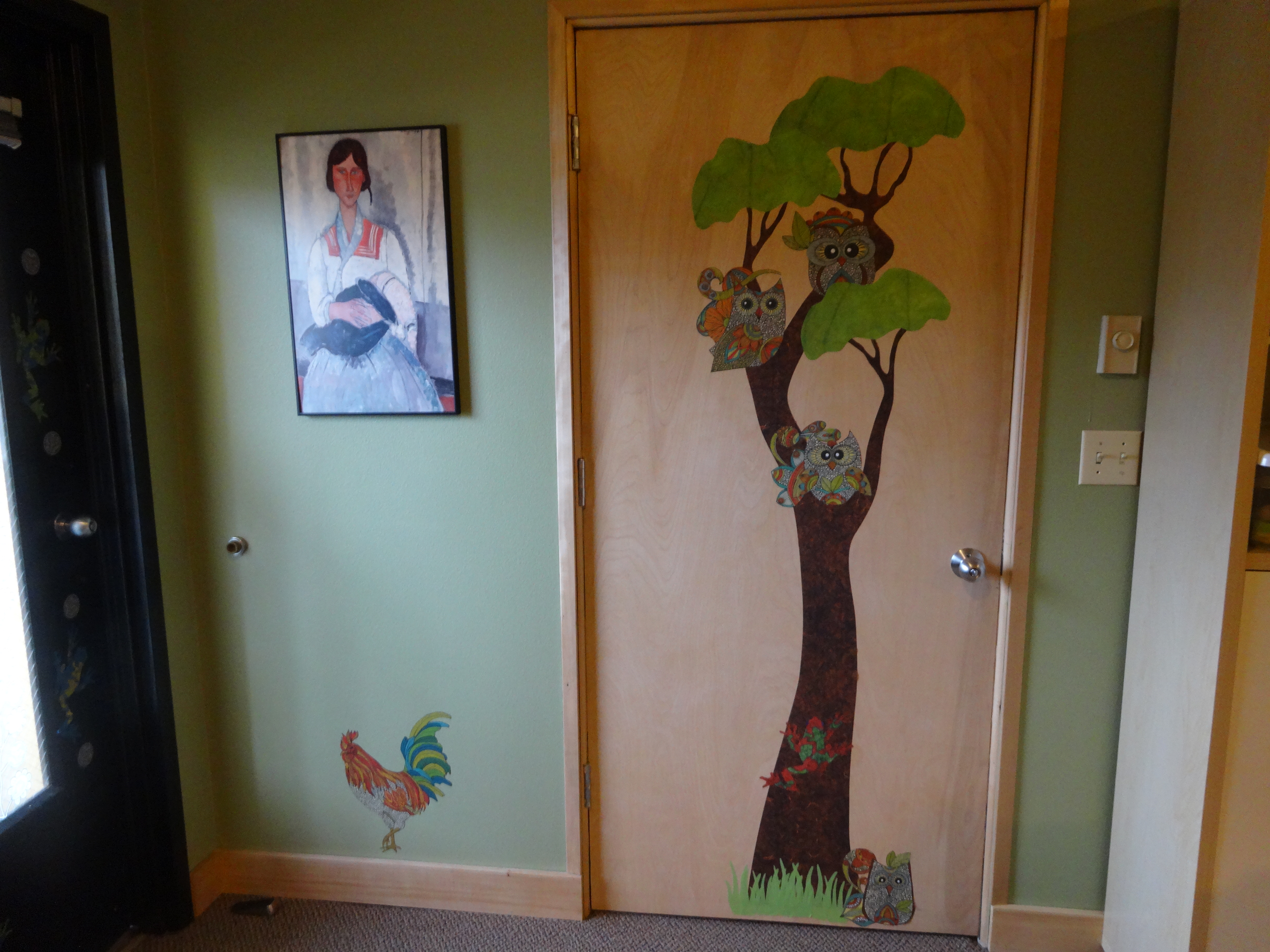
The hallway to my office. I loved the wall stickers!

The hallway to my office. I loved the wall stickers!

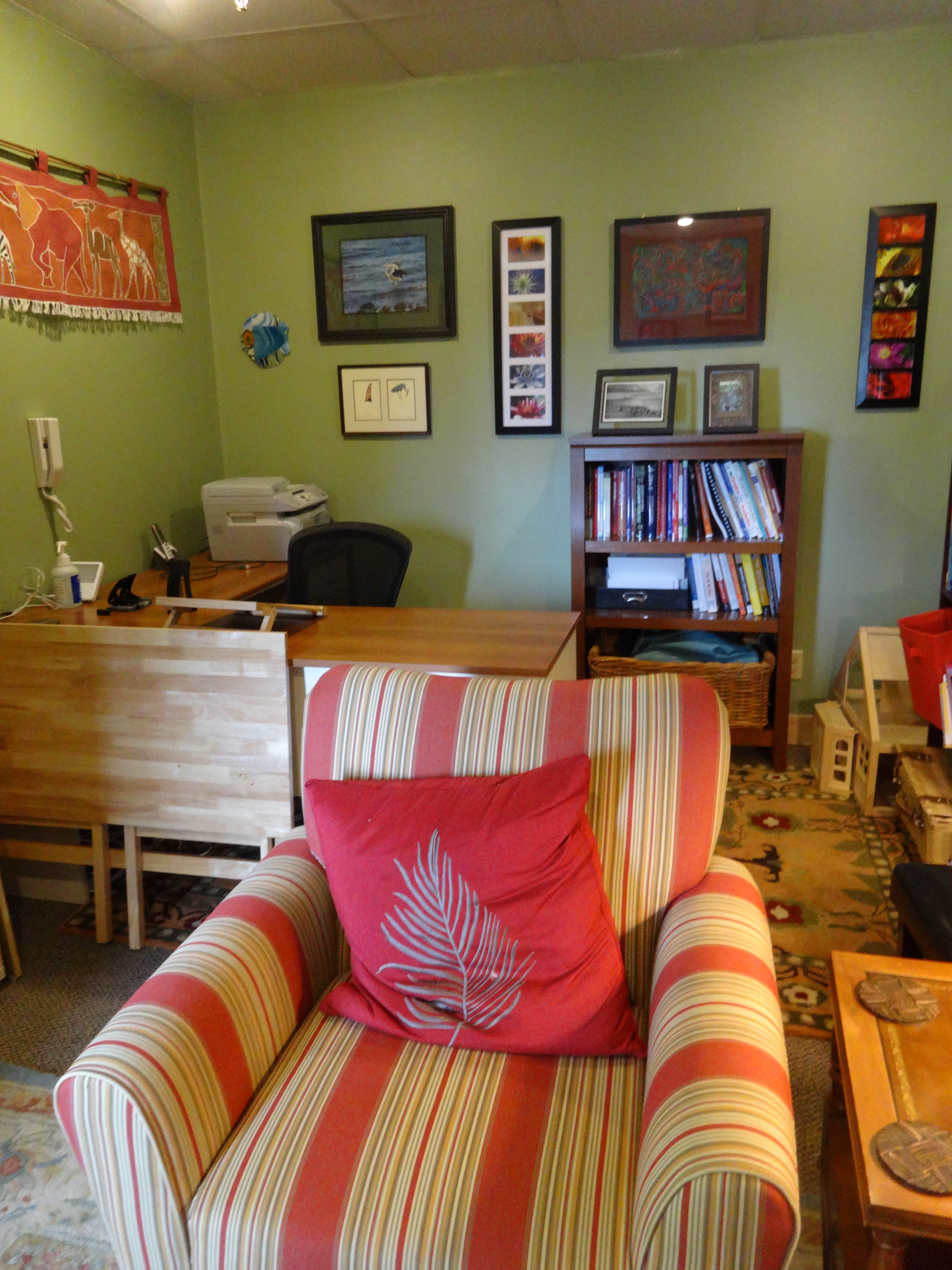
Make yourself comfortable. This is the sitting area for interviewing, psychotherapy, and explaining test results.

Make yourself comfortable. This is the sitting area for interviewing, psychotherapy, and explaining test results.

Testing area.

Testing area. The wooden piece is front of my desk is a folding desk. I unfold it to combine with my larger desk top to make large enough surface for my testing materials.

I made a removable cover for the air conditioner because it was ugly. I bought the owl clock because it was handy and adorable.

I made a removable cover for the air conditioner because it was ugly. I bought the owl clock because it was handy and adorable.

The chicken and tree decals were inspired by the feeling of boredom I felt when I sat in the chairs across from the door of my office.

The purchase of the chicken and tree decals was inspired by the feeling of boredom I felt when I sat in the chairs across from the door of my office.

It is easy to be harshly judgmental. It makes life simpler. It places a distance between ourselves and someone else’s suffering. If I can find a way to justify someone’s suffering, it buffers me from the reality that bad things can happen to anyone.

As a child clinical psychologist, I see aspects of people’s family lives that are largely invisible to outsiders. I consider their revealing these hurts, fears, and faults, as a sacred trust. This translates into a strong sense of responsibility to respect my patients and their families. I do, however, have to make judgments and interpretations in order to make diagnoses, treatment plans, and to carry them out. Sometimes I have to share difficult views, things I consider to be hard truths.

Honestly, sometimes I get frustrated with my patients, especially their parents. Those are the times that I try to reflect and observe. Why I am so frustrated? What can I do to get back to a more balanced place, the place that is necessary for my work as well as for my personal happiness?

I’ve had a couple of conversations with a friend of mine, also in mental health, about how we just don’t know what goes on in people’s lives, even those that are close to us. We just don’t know what challenges with which a person is dealing. Some of this is due to shame and stigma. Some is to protect loved ones from harsh judgment and bad treatment. Other times, we just can’t function on a daily basis if we advertise every hurt and pain. For mental health, a balance must be attained in order to live in reality. No one’s reality is all suffering, though some people have much more than their fair share.

I have been working on my judgment of myself and others in my personal life as part of my mindfulness practices. Stress and working too hard is a trigger for me to be very sensitive and hurt easily, to which I am apt to respond with harsh judgment. I can see the changes I have made in my life to decrease this but understandably, it still occurs. Harsh judgment is not something I will likely ever eliminate from my life. It will wax an wane in my own mind. My hope is that my periods of being “stuck” in it will be less frequent and of shorter duration.

I have worked on being more compassionate and accepting of myself. I have worked on being more compassionate and accepting of my husband. Now I find myself struggling with harsh judgment of my teen daughter. If I am quite honest with myself, I am finding parenting at this time of my life, to be ungratifying, not to mention the times when it’s just scary. As a parent, I am generally much above average in acceptance and patience. I know my daughter loves me, but she mostly pays very little attention to me except to ask for things and typically responds with irritation when I talk to her, regardless of the subject. I know to a large extent that this is developmental and a common feature of mother/adolescent relationships, but it is still very painful. I love my daughter and I like her a lot. I would like to be a part of her life that is not so stressful to either of us. Right now there is no ease in our relationship.

I have also worked hard on backing off, reminding her less, and better respecting her independence. I think I have done a really good job with that. I guess I had a fantasy that if I did that, she would re-engage with me and our relationship with be not only less conflict-laden, but emotionally closer. That may still happen but it hasn’t happened yet. I know that it could be much worse but for me, thinking about how much worse things could be, typically does not work as a form of self-encouragement.

I just don’t know what all my daughter is dealing with in her life. And I really want to know but I can’t. I can work to accept this but all of the positive thinking in the world is going to get me to be happy with this. But acceptance is a peaceful place and there is healing there for both my daughter and for myself.

I am grateful for my blessings, really, I am. And I have a multitude of blessings. I work hard to be a happy and balanced person. Most of the time my daily life makes sense to me. Most of the time my responsibilities feel bearable. Sometimes, like today, I feel worn out. I feel like I am living a life that requires 150% of me. People, each of us only has one whole self, which is 100%. 110% only exists on those stupid business motivational posters.

One of the things that I tried to change about my life after my cancer diagnosis is expecting myself to work near 100% capacity every day. I need to rest like every one else. I need balance and rejuvenating experiences.

I have been working myself hard since November. Really really hard. My family life has been hard and my work life has been hard. My health, thank goodness, has been good.

When I was younger, working more than is healthy, held certain seductive powers. I felt accomplished, strong, and self-sacrificing, the last of which giving a moral edge or some kind of “get out of jail free card”.

It’s so easy to work too hard. It’s hard to rest, to have ease. I hate that. I hate that having ease takes so much damn work. Easy shouldn’t be hard but it is.

Last year, I had two periods, each a few days long, when I felt transported into a fun, easy world outside of my work and family responsibilities. Both times, I spent time with friends and mostly without my family. It was fantastic. It was easy. Then I got back to my normal life, which although rich with blessings and meaning, landed on me like a ton of bricks.

The work on moving my psychology office occurred over two major holidays, some tough parenting issues, and financial stress. It took a lot of time and money in amounts far exceeding what I wanted.  Although I am very happy with the outcome, I am worn out. I need a break. Yesterday, I was working on some summer plans. They became complicated quickly. At this time and place in my life, it hit me hard and I was sad. I was disappointed. I was sad and disappointed not with myself or anyone else, but with the lack of ease in my life. I was teary when my husband came home. I explained in a few sentences. He totally understood; after all, we share a life together.

It’s not easy to be easy. I guess I will keeping working hard on that.

I knew I was close. I’d been peeking online on Jogtracker.com for my total miles walked. It was taking forever, like trying to find the exact time when the odometer numbers on the old cars would all flip at once.

Then I busied myself with my office move. Today I took a peak. Sometime in the last two weeks, I made my milestone. I hit the 2,000 mile mark on my walking since December 2012.

You may recall that last year, when I was exactly at the 1000 mile mark, I found myself accidentally parading around the neighborhood in my underwear, after experiencing a hot flash, taking off my shirt, and walking a good block or two before discovering that I had not put on a sports bra that day. I was walking around in a regular black bra, purchased at Target. Oops.

This year, I passed 2,000 miles without really thinking of it. This is comforting in a way because things we do that we don’t think about are habits. I was trying to build regular exercise into my routine. And I have, I walk habitually. But this also leaves me every so slightly on guard. Without mindfully and actively engaging in exercise, I run the risk of getting out of the habit. Habits, unless they involve addiction, need a little nudge to keep them going.

So today I take a pause and reflect on 2,000 miles walked in a little over two years. It’s a lot of time that I took for myself to take care of myself over the past two years. I can honestly reflect on how I feel and how I live my life and conclude that this has been time very well spent. Not to mention the fun I’ve had taking photos, the cats I’ve met along the way, the increased time with my husband when e joins my walks, and the most excellent coffees I’ve sipped on my journeys.

I woke up today pain free and feeling pretty well, for the most part. Then I looked in the toilet and noticed the blood. My last Lupron shot is still active for another week or so. I know I’m not menstruating. I also noticed that I still felt the urge to urinate even though I had just done that.

“I’m peeing blood!”

That’s what I could have thought. What I thought instead was, “Hmm, I bet I have a urinary tract infection. I’d better go to urgent care and get it checked out.”

I woke up my husband, told him that I needed to go to urgent care for a possible UTI, and asked if he would drive our daughter to a jazz singing workshop in my stead. He agreed and I drove 5 minutes to the nearest urgent care place. Since they’d just opened, I was the second patient of the day and was seen rather quickly. I was calm and the nurse congratulated me on my blood pressure, which was 110/68. Within 25 minutes, the UTI was confirmed and I left with a prescription for an antibiotic. I drove to the pharmacy thinking, “I wonder if I should buy some cranberry juice?” When I got to the pharmacy, I read my discharge instructions from the urgent care clinic and it advised that I drink cranberry juice.

I’ve never had a UTI. How did I know not to freak out about bloody urine, about cranberry juice, and about having the chronic urge to urinate?

I knew because I’d gotten a lot of education about UTI’s in my life. They are common for women and due to the miracle of antibiotics and cranberries, very treatable. They were discussed in sex education class when I was young. They are covered in Our Bodies, Ourselves. There are pamphlets and other forms of public health education about UTI’s. So I knew that I probably had a UTI and promptly got an appropriate assessment and treatment.

Education can lead to effective action. Awareness? Hmm.

What if I were only aware of UTI’s? That I knew nothing of the symptoms or treatment? What if I were only aware of the urinary tract or of infections? What if I did not have a basic knowledge of physiology or of common disease?

Awareness just doesn’t get you very far. Awareness is not knowing. Awareness is not education. Awareness is not doing.

Awareness is superficial. It works in the part of our mind that makes easy associations, the part that doesn’t think that hard. In other words, awareness is a perfect vehicle for marketing products. Breast cancer is bad. This product is associated with a pink ribbon, which is associated with “helping” breast cancer. Pink ribbon = less bad.

Most advertising relies on this kind of superficial quick thinking. That’s why so many things are paired with sex. Do we really think that drinking Bud Lite is going to make a swimsuit model magically appear next to us? Of course not. This kind of advertising relies on people making quick associations between a product and something (a woman is not a thing, I know that, but it is the way she is presented in an ad) desirable, thereby making the product more desirable.

Public health education is important. Let’s support that. Research is a kind of education. It is the way we learn about disease and treatments. Let’s support that.  Training healthcare providers about disease, treatments, and the whole person is also education. Let’s support that.

I don’t want to just be aware of breast cancer. I want to know it so we can get rid of it.

I am still getting my bearings from the move of my business. Yesterday was the first day and all went smoothly. I will write a post later with photos after I’ve done the finishing touches.

In the mean time, I thought I’d share a couple of my winter photos, taken in my neighborhood. This is the first winter that I’ve walked with a camera other than the one on my phone and it’s been nice to be able to take better quality photos. Perhaps some day I’ll even get a real, real camera!

DSC03106

Mt. Rainier, to the southeast catching a bit of last night's sunset colors.

Mt. Rainier, to the southeast catching a bit of last night’s sunset colors.


DSC03043

DSC03032 (1)

DSC03093 (2)

I am a thinker. You may have noticed. I am also a deep feeler. You may have noticed that, too. I am also a fairly reasonable thinker. This last characteristic was later in coming to my life. I had a friend tell me once that I “hid behind my intellect”. Out of context, that sounds a little mean. It really wasn’t meant that way and it wasn’t the way I took it at the time. But I did think, “Are you kidding me? I have worked hard to use my intellect to help me live a less sloppy, crying, worrying life. This is NOT a negative.” (By the way, those comments were made in my mind, to myself, not to my friend.) Our higher brain functions can help us a great deal, like a lot lot. However, there are aspects of our more primitive selves that can come in handy.

Our bodies communicate with ourselves. The nervous system is amazing. Our Central Nervous System (CNS), which includes our brains, is a marvel. Nonetheless, often the fastest of our communications are less than sophisticated.

Case in point, there are fundamental, often called lower brain functions that try to keep us from dying. They are on the alert, vigilant, but also kind of simple. If you have ever seen prairie dogs constantly dark out of their holes and call to each other, you know what I mean. They are trying hard to avoid being food for an animal higher up on the food chain. Vigilance is a type of assessment, a scanning of environments for danger.

But guess what? Like prairie dogs, our CNS is often alarmed for no damned good reason. It is very sensitive to possible problems but makes a lot of false positives. In other words, the CNS can work like a mammogram; it is sensitive to danger but not specific. False alarm! False alarm! False alarm!

These alarms, are compelling and can trick the more reasonable parts of our brains into freaking out. “My heart is racing, I feel scared, therefore there must be SOMETHING REALLY BAD HAPPENING.”

This can also work with anger and with depression. There are parts of our brain that can go to a bad place really fast and if it is compelling enough, it convinces fancier brain parts to follow. “My life is horrible because people are doing bad things to me in a long-term and fancy way. And yes, this is based on mind-reading but I am fancy and know how to read minds. And by the way, why do you all hate me?”

Cognitive therapy was originally based on getting ourselves to be reasonable with ourselves. What is the evidence for our depression inducing thoughts? We are jumping to conclusions. And no, we cannot mind read. There are a group of higher brain tools that we can use to get ourselves to calm the Hell down. And they are very handy tools.

We don’t always have to start at the top, however. We can work our way up by changing more basic and fundamental communication systems. Most of us are familiar with deep breathing techniques as a way to reduce stress and anxiety, as a way to reduce distress. The way we breathe that is the least stress inducing is the way we breathe when we are asleep, when we don’t even have to think about it. Deep breathing, or relaxation breathing triggers the parasympathetic nervous system, which is the state of our CNS at ease, relaxed, and feeling safe. “Fight or flight”, the sympathetic nervous system is triggered by fast breathing, higher in the chest. Breathing this way raises blood alkaline levels. This is the how, by the way, the main characters killed the blood invading aliens in the movie, The Andromeda Strain. It is the perfect breathing for danger but it causes a lot of trouble when we do it when we are not really in harm’s way.

I am learning some more “bottom up” calm down techniques in my class. The latest is the “half smile”. Our facial expressions not only serve to communicate with the outside world, but they also communicate with the inside world. Feeling irritable? Turn the corners of your mouth up, ever so slightly into a half smile. There’s even research on this. It often helps people calm down.

It sounds a little like a magic trick. However, what’s it going to hurt to wear a Mona Lisa smile from time to time. It might feel awkward but not nearly as awkward as when I lose my temper and not only embarrass myself but find myself filled with regret. Not to mention the relationships that need mending.

So I have been trying the half smile. It’s a perfect time to practice. I’ve been working a lot with the move of our private practice. I am frequently annoyed in these kind of circumstances. Stress, when it involves a lot of logistics, has a way of pissing me off.

I can’t say that I am looking like Mona Lisa all of the time but I have to say that I notice a difference and it works many times when I try it. It’s not a permanent solution but it helps get me in a better frame of mind to use other coping strategies. I have also tried doing a half smile on my walks, hoping that this will help associate the half smile with the ease I feel when I am exercising.

I also can’t say that I haven’t felt stressed or overwhelmed at times, with this move. But it is less so than would be in the past, I think. All of the tools I have been using have been helpful.

Try it out and see what you think! It may work and it may not. But it’s free and easy.

As a person with “no evidence of disease”, I am grateful. I am also grateful that I continue to heal physically, emotionally, spiritually, and yes, cognitively. I have written of the attention, concentration, working memory, and organizational difficulties I’ve had since being diagnosed with cancer. (Some people call this “chemo brain” though I didn’t have I.V. chemo.) These difficulties have slowly but surely improved over time. A huge boost came after I completed a cognitive behavioral sleep program and then later, when I took gaba pentin for a few months to reduce my nighttime hot flashes. I have also had improvements through working to reduce my anxiety and grief through my mindfulness practice and personal psychotherapy. Last but not least, writing this blog is one of the most therapeutic endeavors I have ever undertaken. It, of course, has side effects like any therapy in that my posts sometimes worry my mother.

Although a good deal of my energy has returned, I still don’t work full time. I find that it is too hard to maintain my emotional and physical health when I do this so although I sometimes schedule a full time or slightly overtime week, my average is about 80%. Prior to my diagnosis and shortly afterwards (I had to cram my schedule in order to take off time for surgeries), my schedule varied from week to week but I worked up to 150% of what is considered full time.

Despite my reduced hours, I am quite busy. Although most of my day is meaningful and productive, a good portion of my day is being busy for the sake of being busy, doing trivial things that do not fill me up. And some of the trivial things would not be trivial if I stuck with them for more than a couple of minutes. But I spent some part of my day alighting from one activity to another in rapid succession.

I do this less than earlier in my cancer treatment. The main reason back then was fatigue, boredom, and the need for fun. Since I was having trouble with sustained attention, I flitted around lot. Although I have never written as much or as frequently in my life, I stopped reading books. There had been no time in my life since about age 10 or 11 when I was not reading on a daily basis, with some breaks for a few weeks during adulthood, when my stress was at its peak.

I’ve been doing a lot of thinking about accepting the things in my life about which I feel feel, grief, and anger. I know that a common fear for people impacted by cancer is fear of abandonment. My husband worries about losing me. My daughter, although she denies it, worries about it too, I think. She acts very much like other teen girls with whom I’ve worked, who have a mother with a serious disease. I worry about losing my family, through decreased participation in family life if I were to get ill again and through my own transition to death, which may not come any time soon, but will come some day.

I had a epiphany last week. Although I was aware of my own abandonment fears, I realized that I was continuing to give myself busy work to avoid feeling lonely. I have been filling up spaces in my heart and mind with filler. I have too often disengaged from my husband because I associate him with our fear of my cancer as well as the stress we have in parenting.

Since that epiphany, I have made some changes. Trivia is okay but not as a main course. And trivia is much better when enjoyed with a loved one. I also realized that a lot of my life is serious and difficult. I have a serious job as a child/adolescent psychologist. I have personal psychotherapy, our family class on mindfulness and emotion regulation, and couples therapy with my husband. Between my job and my appointments, I spend the majority of my waking hours in a mental health facility. Last Friday in couples therapy, which we have been attending weekly I said, “I want less therapy and more fun. John, I want to spend more time with you having fun.” Our psychologist thought this was a great idea. John agreed, reluctantly, because this scared him. But we’ve been spending more time together. Yesterday, I received a note from a childhood friend. Her husband “out of the blue” told her that he is divorcing her, on the day before their 27th wedding anniversary. This has also reinforced my resolve to continue to work on my relationship with my husband. Too often people live separate, lonely lives, full of activities, suffering in silence.

I am not by nature, a lonely person. Cancer has a way of whittling away at security, even for those of us with “no evidence of disease”. Breast cancer also has a way of striking women at the prime of life in terms of professional and family responsibility. Many of us have full careers, children who are not yet independent, and elderly parents who may need support. It is easy when juggling these balls, to feel fragmented and flittery, to feel engaged with everything but intimately connected with no one, not even with ourselves.

Balance right now means more fun and more depth.

I have moved many times in my life. At one point, my husband and I had lived in three states in the span of 15 months, North Carolina, Florida, then Indiana. These states ARE NOT close together, I might add. By the time we moved to Indiana, I would be driving down the street and forget what city I was in. Was the main street Franklin? Walnut Street? 15th?

There was the packing, the finding a new place, the adjusting. It still surprises me that we moved to North Carolina sight unseen, ten days before our graduate programs started, and without having found an apartment ahead of time. But North Carolina is on the opposite side of the country from Washington. We did not have the time or money needed for visits ahead of time.

Now I have to move my business. We’re moving just a few blocks away. I spent a great deal of time and money making my current office just the way I wanted it. I took an entire week off from work. My husband also took an entire week off to help me. We cleaned, painted, and I decorated and furnished it. It really is a beautiful office. I knew I would not stay there forever. It is an old building on land ripe for development. But I thought I would be able to stay there considerably longer.

Moving is time consuming, a lot of work, aggravating, and expensive. For reasonable reasons, it made sense for me to take the lead in the move. I hold the lease to both our current space and the new one, for example. I am the only one who lives near the offices. I am also the only one who does not have young children. And I tend to be good at organizing things.

It is reasonable for me to take the lead in this but I must admit that it makes it makes it harder given that I don’t want to move. We are moving earlier than we have to (we have seven months remaining in our current lease) for reasonable reasons. But again, despite the fact that our decision is reasonable, it makes it hard that I don’t want to move.

We will be paying over twice as much rent. I will be getting an office that is very nice but not as nice as the one I have. That makes it hard. My office mates will be getting nicer offices than they have presently. That makes it easier for me. I feel better that overall, this is an improvement for our group.

The other consolation is that I am taking the lead in decorating the common areas. I love decorating and this is the one thing to which I am looking forward in this whole process, besides being happy for my office mates’ enthusiasm for moving.

One of my friends very nicely told me that he wanted to hear about my move. I told him, “It is boring and aggravating.” I am such a grump. But this is how I feel for the most part. I manage to be mostly cheerful because the alternative is worse. But I am working hard to maintain an upbeat attitude on top of other things in my life. My husband is having physical problems. He is having a great deal of back pain. This has been a chronic issue. A few years ago, he was bedridden for three weeks. Early last week, he fell flat on his back when getting onto the bus. The driver pulled out quickly and ran over the curb. John was unable to get up for over a full minute, an ambulance was called, and he was examined by an EMT. He did not go to the hospital but has been in a great deal of pain ever since then despite regular massage, acupuncture, and muscle relaxing pain medication.

Life can be really stressful. And then you have to pick up and move. And then maybe we get to stick around in a comfortable spot for awhile.

My Wednesday “learning to keep my shit together” class reconvened this week after a holiday break. The topic for the evening was acceptance, a mindfulness practice. The purpose of mindfulness is to reduce suffering. Acceptance is one process by which suffering is reduced.

I am working very hard to accept some hard truths about my life, some about my present and some potential truths in my future. These are truths about my life as an individual, as a wife, and as a parent.  As I was thinking about this, one of the instructors wrote two equations on the white board:

Pain + acceptance = pain

Pain + non-acceptance = suffering

I think of pain and suffering as synonymous.  But this is not a dictionary course or a vocabulary test. And I have to admit that “suffering” sounds worse than “pain”. Suffering sounds like pain with a large side dish of something nasty. Perhaps the space between pain and suffering, within this framework, is filled with a roil of self-inflicted things. Another way to say this is that suffering may result from coping with pain in a way that enhances it and perhaps makes it last for a longer time. Everyone does this from time to time.

There are “hot button” issues for me. There are experiences that I have for which I have an immediate, negative response. They push a fear button, an anger button, or a grief button. And as I am having the response, I often know that it is out of scale. I have gotten upset too quickly and too intensely. There are also times when I feel stress in the back of my mind and it wakes me at night or invades my dreams. I think these are examples of suffering.

Acceptance is a process, a continuum. I am trying to work my way. So far I am learning that there is a cognitive part. In order to accept something I need to acknowledge it. I need to name it. I need to reason with it. That is what I have mostly been working on for the past couple of years. The acceptance that takes place in my mind. On Wednesday, our homework was to think about what acceptance would look like for each of us as behaviors. If we accepted the aspect of life with which we were struggling and suffering, how would our behavior be different?

Changing my behavior, making it consistent with acceptance, is really hard. I have been making a concerted effort on this for the past month or so. I have seen changes. I have experienced shifts to a more positive place. My anger and fear are reduced. My pain and sadness are still there but the suffering is getting less.


Lindbergh High School Reunion '82, '83, '84, '85

Join us this summer for our reunion in Renton, WA!

George Lakoff

George Lakoff has retired as Distinguished Professor of Cognitive Science and Linguistics at the University of California at Berkeley. His newest book "The Neural Mind" is now available.

KomenWatch

Keeping our eyes and ears open.....

4 Times and Counting

Confessions Of A 4 Time Breast Cancer Survivor

Nancy's Point

A blog about breast cancer, loss, and survivorship

After 20 Years

Exploring progress in cancer research from the patient perspective

My Eyes Are Up Here

My life is not just about my chest, despite rumblings to the contrary.

Dglassme's Blog

Wouldn't Wish This On My Worst Enemy

SeasonedSistah

Today is Better Than Yesterday

The Pink Underbelly

A day in the life of a sassy Texas girl dealing with breast cancer and its messy aftermath

The Asymmetry of Matter

Qui vivra verra.

Fab 4th and 5th Grade

Teaching readers, writers, and thinkers

Journeying Beyond Breast Cancer

making sense of the breast cancer experience together

Entering a World of Pink

a male breast cancer blog

Luminous Blue

a mother's and daughter's journey with transformation, cancer, death and love

Fierce is the New Pink

Run to the Bear!

The Sarcastic Boob

Determined to Manage Breast Cancer with the Same Level of Sarcasm with which I Manage Everything Else

FEC-THis

Life after a tango with death & its best friend cancer